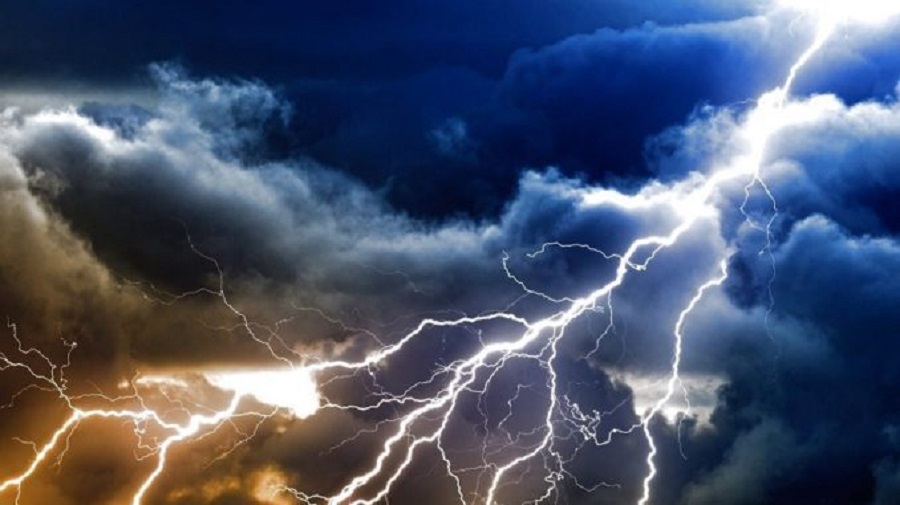
At least 49 people have been killed by lightning strikes across Rwanda in the first four months of 2026, according to the Ministry in charge of Emergency Management (MINEMA), raising fresh concerns over disaster preparedness and public safety.
MINEMA data shows that lightning incidents have also injured 160 people and killed 72 cattle, while damaging infrastructure, particularly power installations.
The impact has been most severe in parts of the country with high exposure to storms, especially the Western Province, where Rwanda’s mountainous landscape heightens vulnerability to lightning.
Authorities say prevention remains critical, urging households to install lightning conductors and avoid using electrical appliances during thunderstorms. Residents are also advised to unplug devices during heavy rains to minimise risk.
However, communities in frequently affected areas cite the high cost of lightning protection systems as a major obstacle, calling for government support to make them more affordable.
Alphonse Hishamunda, a disaster risk management official, said efforts are underway to expand access to lower-cost lightning protection, particularly for vulnerable households.
He cautioned that beyond affordability, negligence also plays a role, noting that some homeowners with sufficient means fail to prioritise safety measures.
“In some cases, people invest heavily in building homes but overlook installing lightning protection, which is essential for safeguarding lives and property,” he said.
The figures come against a backdrop of increasing climate-related disasters. Between January 2025 and mid-March 2026, hazards including heavy rains, landslides, and lightning strikes claimed 207 lives nationwide.
Over the same period, 432 people were injured, 2,341 houses were damaged, and 35 were completely destroyed. Floods also swept away 105 cattle and 50 other livestock, while crops on 252.5 hectares were destroyed and 58 hectares of forest land damaged.
Authorities continue to advise the public to remain indoors during storms and avoid sheltering under trees, as part of efforts to reduce preventable deaths linked to extreme weather.