May 6, 1994 marked the 30th day of the 100-day Genocide against the Tutsi, as the interim government intensified its coordinated campaign to exterminate Tutsi across the country.
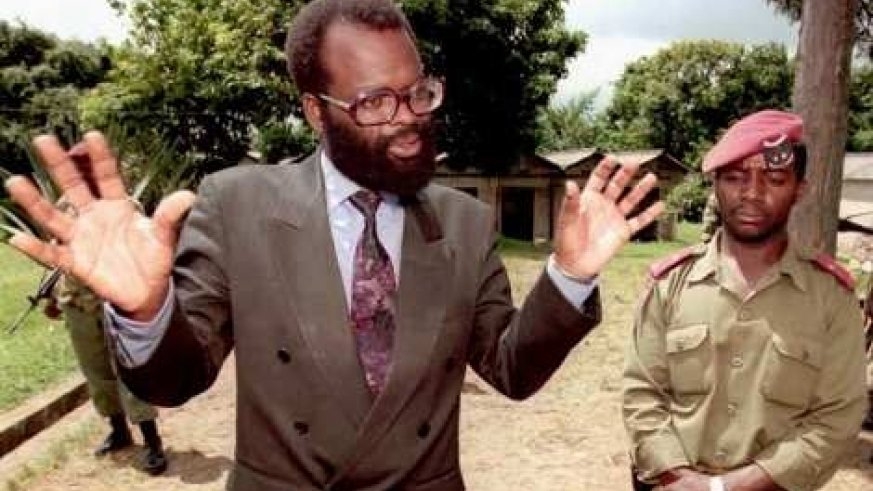
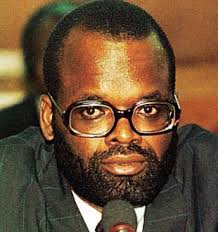
On this day, then Prime Minister Jean Kambanda used Radio Rwanda to openly call for an ускорation of the killings. In a broadcast widely disseminated nationwide, he urged militias and state forces to mobilize fully and sustain the momentum of the violence.
“We have men, we have bullets, the government is united, the army is united, and we must win. Everyone must take up arms, and ensuring sufficient weapons is a priority,” Kambanda declared—remarks widely interpreted as a direct incitement to intensify the genocide.
Radio Rwanda also aired, on the same date, a previous speech Kambanda had delivered in Kibuye on May 3, reinforcing calls to speed up the killings, particularly in that region.
At the same time, military engagement between the genocidal regime and French officials continued. Rwandan representatives, including Colonel Sébastien Ntahobari, held meetings in Paris with senior French military figures such as General Jean-Pierre Huchon and Colonel Dominique Delort, focusing on arms-related support.
On the humanitarian front, the International Committee of the Red Cross (ICRC) condemned the international community’s inaction, warning that global silence was enabling the استمرار of mass atrocities.
ICRC teams operating in Kigali, Byumba, Gisenyi, Kabgayi and Kibungo struggled to assist the wounded and sick amid ongoing attacks by militias and soldiers.
ICRC President Cornelio Sommaruga, in communication with Rwanda delegate Philippe Gaillard, issued a statement in the International Herald Tribune criticizing governments and media that failed to denounce the killings, arguing their silence amounted to complicity.
In Gitarama, the ICRC coordinated emergency assistance for nearly 30,000 displaced people trapped by militias. While some received basic aid, attacks persisted, leaving many killed and others—particularly women—subjected to brutal violence.