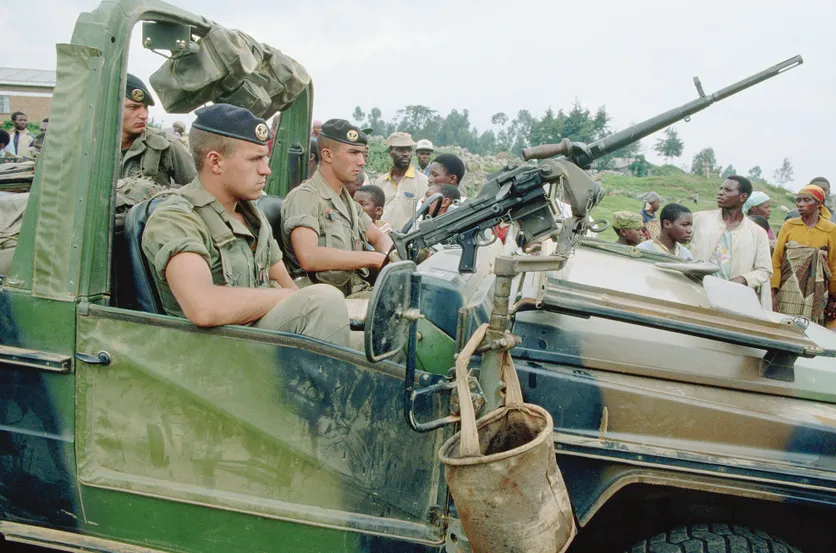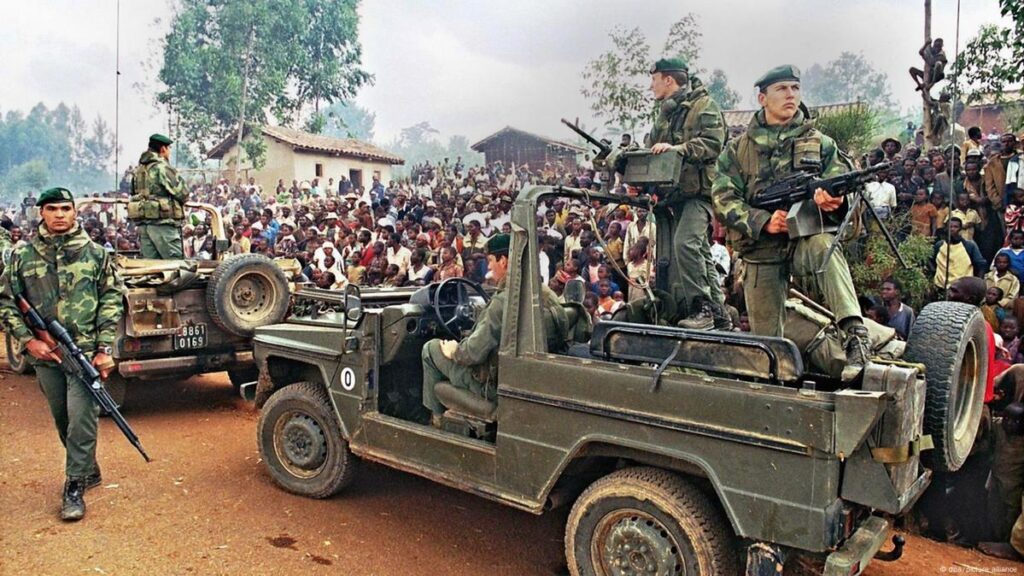
On May 17, 1994, as the Genocide against the Tutsi entered its 41st day, the United Nations Security Council approved an increase of the United Nations Assistance Mission for Rwanda (MINUAR) forces to 5,500 troops, but stopped short of granting the mission powers to use force to halt the massacres.
The resolution also imposed an arms embargo on Rwanda at a time when killings of Tutsi were intensifying across the country.
Despite the decision, MINUAR remained largely ineffective because the UN did not revise its mandate to allow peacekeepers to intervene militarily and stop the Genocide against the Tutsi. The approved reinforcement was also never fully implemented as the violence continued.
At the time, countries including Nigeria, Ghana, Tanzania, Zimbabwe, Zambia, Senegal, and Australia had reportedly expressed willingness to contribute troops to reinforce the UN mission in Rwanda.
Reports by the BBC on May 14, 1994, indicated that then UN Secretary-General Boutros Boutros-Ghali had informed the Security Council that the expanded mission would require approximately $115 million in funding, resources that were never fully mobilized.
The Security Council debates were also marked by divisions among member states over stronger international intervention to protect civilians and stop the killings.
Historical records indicate that Rwanda’s representative to the United Nations at the time, Jean Damascene Bizimana, with support from France’s Ambassador to the UN, Jean-Bernard Mérimée, opposed measures aimed at strengthening foreign military intervention and restricting arms supplies to the genocidal government.
Meanwhile, massacres against Tutsi continued in different parts of Rwanda. On the same day, Interahamwe militias killed many Tutsi who had sought refuge at Musambira Parish in the former Musambira Commune, now part of Southern Province.
The events of May 17, 1994, continue to symbolize the international community’s failure to act decisively during one of the darkest moments in Rwanda’s history.