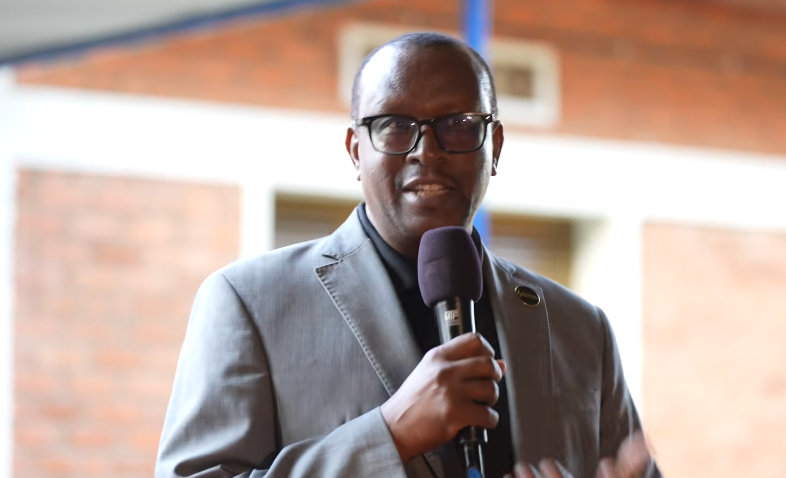
Minister of National Unity and Civic Engagement, Dr Jean Damascene Bizimana, has said that colonial administrators and missionaries disrupted Rwandan cultural values, weakening social cohesion and contributing to long-term divisions in the country.
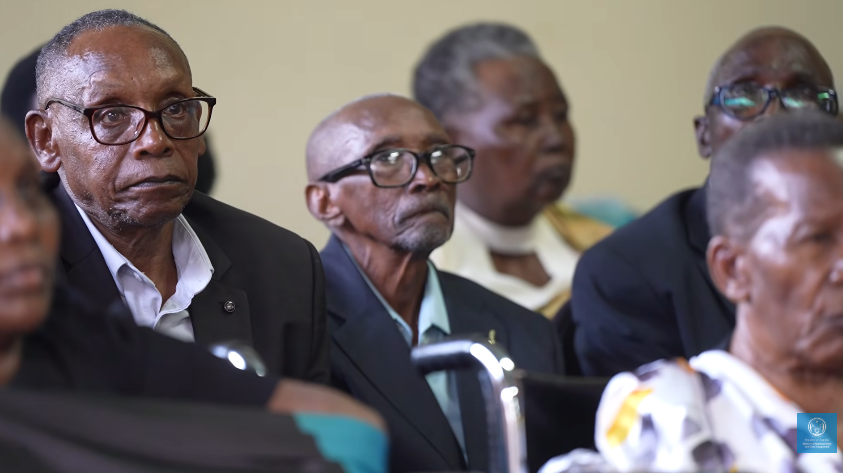
He made the remarks during a discussion with elderly residents at the Impinganzima Home for the Elderly in Rusizi District, where he reflected on pre-colonial Rwandan social structures and traditions.
Bizimana said that before the arrival of colonial powers, Rwandans lived in a society characterized by strong unity, mutual respect, and shared values, reflected in everyday greetings and social interactions.
He cited traditional expressions such as “muraho” and “waramutseho,” saying they demonstrated a culture of wishing others well and reinforcing social bonds within communities.
The minister noted that these bonds extended beyond life, pointing to traditional remembrance practices such as “guterekera,” which he described as a way of maintaining a symbolic connection between the living and the deceased.
“Guterekera was a way of remembering the deceased and maintaining the bond between those who have passed on and those who remain,” he said.
Bizimana said missionaries later discouraged such practices, labelling them incompatible with Christianity, which he argued contributed to the erosion of certain cultural traditions.
He further said that colonial policies introduced structural changes to Rwandan society, including identity classifications, which he linked to growing divisions in later years.
According to him, resistance to colonial rule by some Rwandan leaders, including King Yuhi V Musinga, led to political tensions and eventual exile.
Bizimana argued that the weakening of traditional values and social cohesion created conditions that contributed to divisions that later escalated, culminating in the 1994 Genocide against the Tutsi.