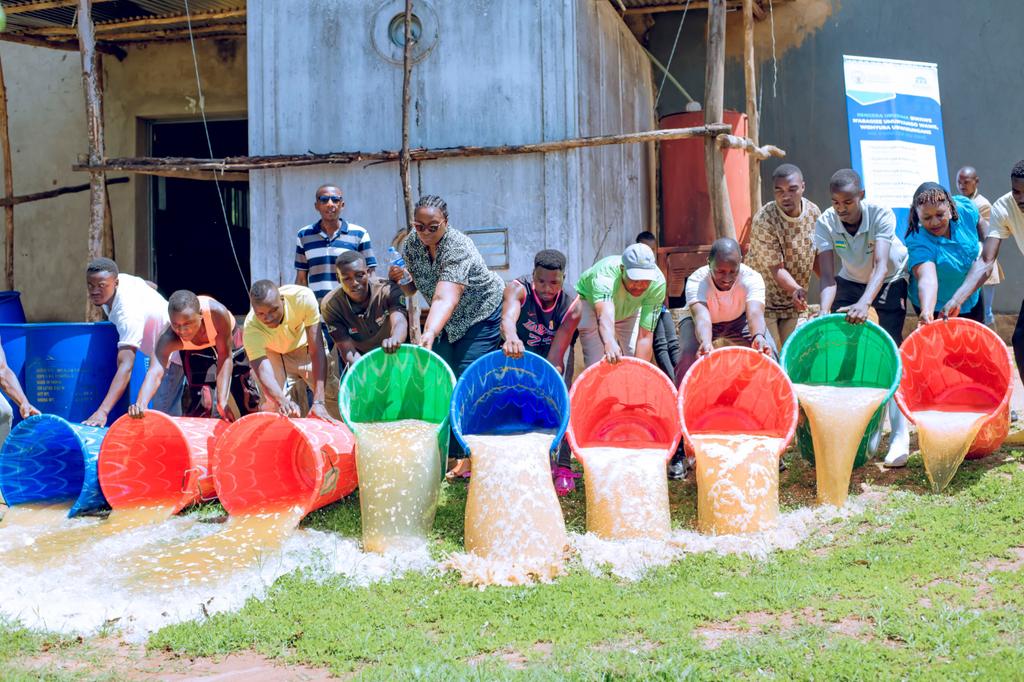
Rwanda’s Ministry of Health has raised alarm over the growing threat posed by unsafe alcoholic drinks after revealing that 44 people died between January and June 2026 from consuming illicit and contaminated alcohol.
Health Minister Dr. Sabin Nsanzimana described the deaths as a serious public health concern, warning that some of the drinks being produced and sold illegally contain toxic substances capable of causing severe health complications and death.
“Many people who died were healthy before consuming these products. They later arrived at health facilities in critical condition; some died, some lost their sight, while others continue to suffer from the effects,” Dr. Nsanzimana said during an interview with Rwanda Television on July 8.
He said the issue should be treated as a national concern requiring joint efforts from government institutions, communities and citizens.
The minister explained that some illegal alcohol producers mix their products with dangerous substances, including methanol and other chemicals, to increase their potency, putting consumers at serious risk.
“We consider these substances poisonous because some producers add materials that should never be consumed. They gradually damage the eyes, the brain and other vital organs,” he said.
Dr. Nsanzimana also warned that addiction makes it difficult for some users to stop consuming such products, increasing their vulnerability to long-term health consequences.
The warning comes as the latest Rwanda Demographic and Health Survey (RDHS) 2025 shows high levels of alcohol consumption in the country. The survey indicates that one in two men consumes alcohol, while about one in five women do so.
Kigali City recorded the highest proportion of daily alcohol consumption at 9.8%, followed by the Eastern Province at 7.6%, Northern Province at 7.4%, Western Province at 7% and Southern Province at 4.5%.
However, Dr. Nsanzimana said the biggest challenge is not only the prevalence of alcohol consumption but the increasing number of people turning to unsafe products.
“The figures are high, but the greatest concern is that some people are consuming alcohol that is effectively poisoning them,” he said.
He urged the public to remain vigilant, especially during the holiday season when social gatherings increase and students return home from school.
The minister identified districts in the Eastern Province, including Bugesera, Rwamagana and Kayonza, as among areas reporting higher levels of the problem, partly due to local agricultural activities, but emphasized that unsafe alcohol remains a nationwide challenge.
The government, he said, is intensifying measures to combat the production and consumption of illicit alcohol, while encouraging citizens to prioritize their health and avoid products whose safety cannot be verified.
“Before consuming any alcoholic drink, people should ask themselves why a small amount of it makes someone become drunk so quickly. That alone should raise concern,” Dr. Nsanzimana warned.