A child delegate at Rwanda’s National Children’s Summit has questioned the decision to increase school fees, warning that the move could affect learners from financially vulnerable families and worsen school dropout rates.
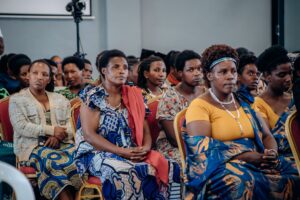
Harerimana Josue from Rusizi District raised the concern during the 18th National Children’s Summit held in Kigali, where more than 500 children gathered to discuss challenges affecting their lives and education.
He said some children are already leaving school because their families cannot afford existing education costs, questioning whether increasing fees would undermine efforts to achieve inclusive education.
“Many children in Rwanda are leaving school, and from those I have spoken to, the issue is the inability to pay school fees. Now that we hear fees will increase next year, will education for all not be affected?” he asked.
His remarks received applause from fellow child representatives attending the summit, suggesting that access to education remains a major concern among young people.
A representative from the Ministry of Education said school dropout is caused by several factors, including family-related challenges, but assured participants that the government is working to ensure all children remain in school.
The concerns come after the Ministry of Education announced adjustments to school-related contributions, citing rising operational costs and inflation.
Under the new measures, parents’ contributions for school feeding in nursery and primary schools will increase from Rwf975 to Rwf2,000. Day secondary school students will see their contribution rise from Rwf19,500 to Rwf24,000, while boarding students will pay Rwf110,000 per year.
Education authorities said the government will also increase financial support to schools through the capitation grant by more than 65% to help reduce the burden on parents and ensure continued access to education.