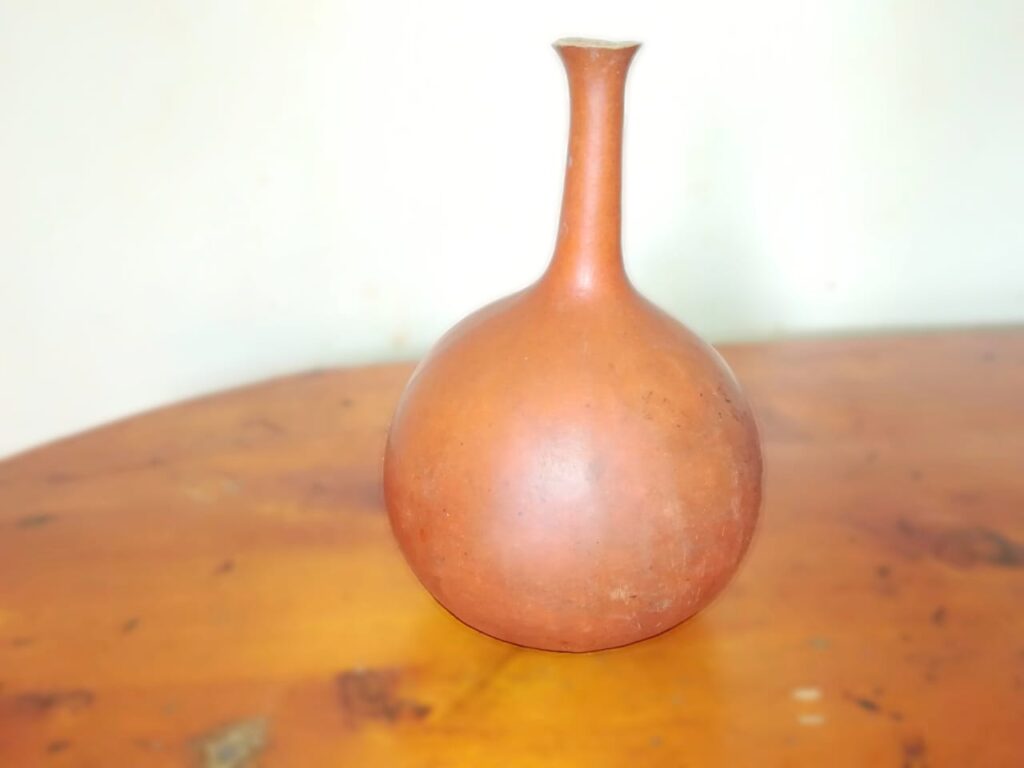
Health Minister Dr Sabin Nsanzimana has said Rwanda’s traditional alcoholic beverages should not be lumped together with the strong, substandard drinks known locally as “ibyuma,” arguing that traditional brews can be preserved while improving their hygiene and production standards.
Nsanzimana made the remarks while engaging young people on social media about the government’s ongoing campaign against unsafe alcoholic beverages.
He stressed that the campaign is not intended to ban traditional drinks such as ikigage and urwagwa, but to ensure they are produced safely and meet appropriate hygiene standards.
“Traditional alcoholic drinks have not been banned. Rather, the ‘ibyuma’ had overshadowed them, and they should now become visible again and be produced properly,” he said.
The minister said traditional beverages should not automatically be compared with highly concentrated alcoholic drinks, which he described as a major concern in the current public health campaign.
“Do you know anyone who was killed by ikigage?” Nsanzimana asked, contrasting the traditional drinks with the stronger beverages targeted by authorities.
He said excessive consumption of strong alcoholic drinks can leave people severely impaired and has been associated with serious health consequences.
“But with ‘ibyuma’, even a small glass can finish you. I often see people with injuries on their faces after falling headfirst. That is what ‘ibyuma’ can do,” he said.
Nsanzimana said Rwanda should restore the value of traditional beverages while ensuring that their production follows proper hygiene and quality requirements.
“Traditional alcoholic drinks should regain their value, be made hygienically and be restored to how they were in the past. People would drink and become intoxicated, but still know where they were going home,” he said.
His comments come amid an intensified government crackdown on substandard alcoholic beverages. Authorities have linked unsafe alcohol to more than 500 hospital admissions and at least 50 deaths during the first six months of 2026, according to figures previously given by the Health Minister.
The government has since stepped up inspections, closed facilities found violating safety requirements and pursued people suspected of producing or distributing unsafe alcoholic beverages.
Nsanzimana’s remarks underline the distinction between preserving Rwanda’s traditional brewing culture and addressing the public health risks associated with unsafe or highly concentrated alcoholic products.