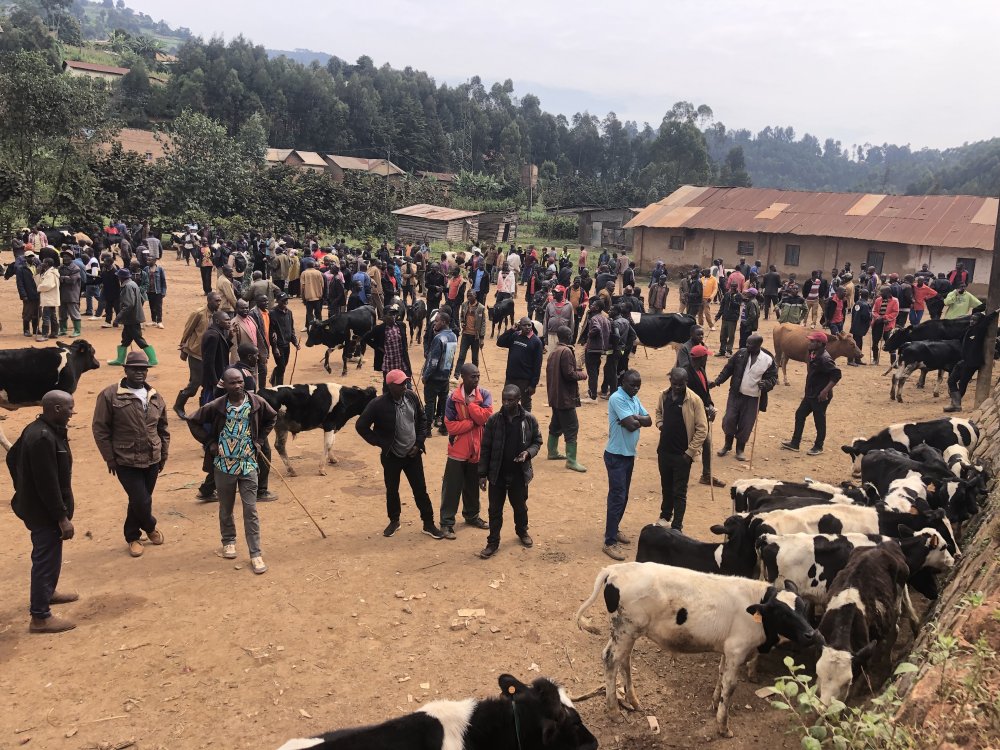
Rwanda has begun reopening livestock markets in four districts of the Eastern Province following a decline in the Rift Valley fever (RVF) outbreak, allowing farmers and traders to resume livestock sales under tighter disease-control measures.
The reopened markets are in Nyagatare, Gatsibo, Ngoma and Kirehe districts, with 12 market days scheduled between August 21 and September 28, 2026.
State Minister for Agriculture and Animal Resources, Dr Solange Uwituze, said the reopening is being carried out gradually.
“We are reopening them gradually,” she said.
The restrictions were introduced after the Rwanda Agriculture and Animal Resources Development Board (RAB) placed livestock in six districts under quarantine on June 26 following the detection of RVF.
The measures were later extended across the Eastern Province and several districts in the Northern Province as authorities intensified efforts to contain the disease.
Agriculture and Animal Resources Minister Dr Télésphore Ndabamenye previously said livestock had been vaccinated and indicated that the movement of animals to meat markets could resume as the disease situation improved.
Nyagatare has the busiest schedule under the initial reopening plan, with six market days across four locations.
Katabagemu market is scheduled for August 21 and September 18, while Rwimiyaga will operate on August 28 and September 28.
Tabagwe and Karangazi markets are scheduled for September 4 and September 11 respectively.
In Kirehe, Nyarubuye market will operate on August 24 and September 14, while Gituku/Rukira market in Ngoma is scheduled for August 31 and September 21.
In Gatsibo, Rwimbogo market will operate on September 7, while Kabarore market is scheduled for September 25.
Authorities have also introduced tighter traceability requirements to prevent a resurgence of RVF.
In Ngoma, farmers have been instructed not to take cattle to market without identification ear tags, while buyers are required to purchase animals only from designated market areas and ensure they are properly tagged.
The measures are intended to help veterinary authorities trace livestock and quickly identify the source and movement of animals if new infections are detected.
Markets in Bugesera, Rwamagana and Kayonza districts remain closed, as do livestock markets in the affected areas of the Northern Province.
Eastern Province Governor Pudence Rubingisa said the reopening schedule was based on the decline in the RVF outbreak and could be revised if the disease situation changes.
A new schedule is expected after September 28 based on the latest assessment of the outbreak.
The phased reopening is expected to restore livestock trade while maintaining surveillance and disease-control measures aimed at preventing another spread of the disease.