African medicine regulators have called for stronger quality controls and faster information sharing between countries to prevent unsafe medicines from reaching patients across borders.
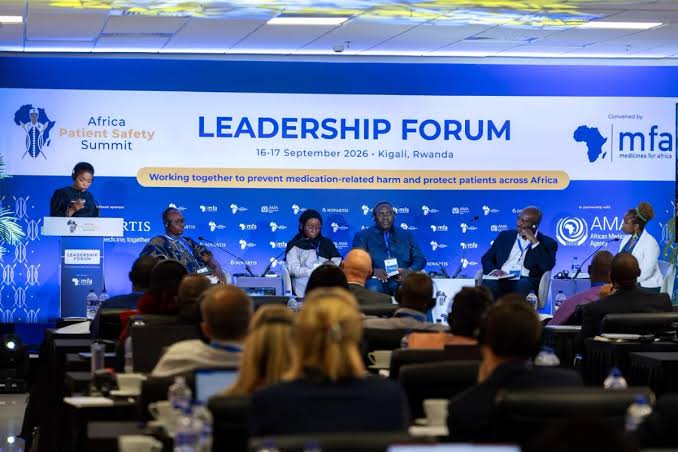
The call was made at an international patient safety conference in Kigali attended by medicine regulators, health professionals, researchers and other health-sector stakeholders from across Africa.
Participants said medicine safety checks should not end when a product is approved for sale. Countries also need effective systems to monitor medicines after they reach the market and quickly identify potential risks to patients.
They also raised concerns about shortages of adequately trained personnel responsible for handling and regulating medicines, saying gaps in expertise can affect storage, use and oversight of pharmaceutical products.
Participants said regulators should assess not only the quality of medicines but also the capacity of the people and facilities responsible for storing, testing and monitoring them.
Dr Raymond Muganga, acting director general of the Rwanda Food and Drugs Authority (Rwanda FDA), said rapid information sharing between national regulators can help countries take preventive action when a medicine is found to pose a risk.
He cited the 2022 incident in Gambia, where contaminated cough syrups were linked to severe kidney injuries among children.
Muganga said Rwanda reviewed its market after receiving information about the affected medicines and found that they were not available on the local market. Authorities nevertheless issued warnings urging people to avoid the products.
The World Health Organization reported 78 cases of acute kidney injury in Gambia linked to contaminated cough syrups, including 66 deaths. Investigations found that the medicines contained unacceptable levels of toxic substances.
Muganga said such alerts need to reach regulators across the continent quickly so that countries can check their markets and take action before potentially harmful products affect more patients.
“Once you receive the information, you have to act to protect people, with human life as the priority,” he said.
Africa pushes for stronger medicine surveillance
Dr Kimmo Mäkinen, a co-founder of Medicines for Africa, said medicine-related harm remains a significant patient-safety concern on the continent.
He called for patient safety to be given greater weight in medicine regulation and health-sector decision-making.
Conference participants urged African countries to strengthen medicine-testing laboratories, improve the skills of regulatory staff and establish faster systems for issuing alerts when potentially unsafe medicines are identified.
Delese Mimi Darko, director general of the African Medicines Agency (AMA), said the agency’s role is not to replace national regulators but to bring together expertise and resources so countries can work more closely.
She said greater coordination would allow regulators to share information on adverse reactions associated with substandard and falsified medicines, as well as other threats to patient safety.
Headquartered in Kigali, AMA is mandated to support African countries in strengthening the regulation of medicines and other medical products.
Since January 2026, the agency has also been involved in efforts to harmonise medicine-regulation systems across Africa and strengthen the monitoring of medicine safety.