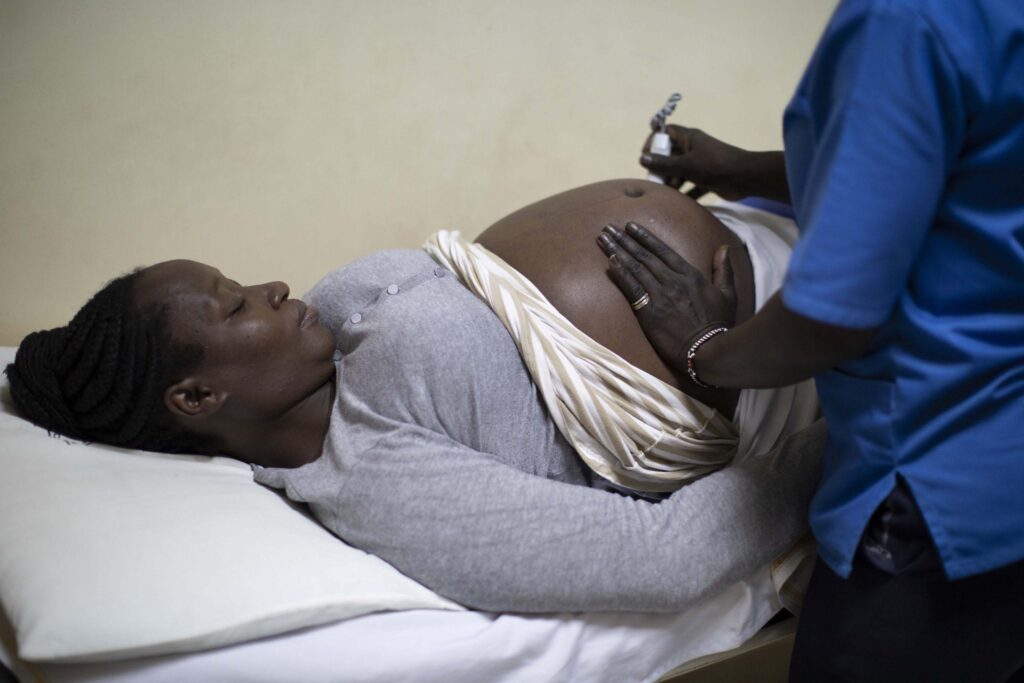
In the past, a woman who reached her twenties without getting married and starting a family was often considered to have delayed marriage, and her father might even begin looking for a husband for her.
Today, marriage is no longer determined solely by age as it once was. Some people first focus on building their lives by completing their education, finding employment and becoming financially stable before getting married and starting a family.
However, research shows that as a woman gets older, her fertility gradually declines, while the risk of experiencing certain complications during pregnancy increases.
This does not mean that women over 35 cannot have healthy pregnancies and babies. Rather, it highlights the importance of understanding how the body changes with age.
Fertility gradually declines with age
According to the American College of Obstetricians and Gynecologists (ACOG), a woman’s age plays an important role in her ability to conceive. This is linked to a decline in both the number and quality of eggs as she gets older.
A 2020 study involving 4,379 women aged 35 and above found that the chances of conceiving naturally and becoming pregnant decline with age.
Another report by the same organization, published in 2022, found that women who become pregnant at age 35 or older may face higher risks than younger women, including gestational diabetes, high blood pressure, caesarean delivery and preterm birth.
These risks do not increase at the same rate for every woman. They tend to become greater with advancing age, particularly when other factors such as obesity, diabetes or pre-existing high blood pressure are present.
A study that analyzed health data from more than 34 million women who gave birth in the United States found that pregnancy-related health risks increased with age.
Compared with women aged 25–29, the risks were 1.36 times higher among those aged 35–39, 1.83 times higher among those aged 40–44, and 3.33 times higher among those aged 45–54.
Figures from the World Health Organization (WHO) indicate that the risks of preterm birth and stillbirth also increase significantly among women over the age of 35.
ACOG data also indicates that male fertility can decline with age, with sperm count and quality decreasing over time, which may affect the ability to conceive.
Research from Stanford University suggests that age-related reproductive changes are not limited to women. Men who father children after the age of 35 may also experience declines in sperm quantity and quality, potentially increasing the risk of preterm birth or having a child with autism.
The study found that the risk may increase by 21% for every additional 10 years of the father’s age.