The number of people receiving treatment for diabetes in Rwanda has nearly doubled over the past seven years, rising from 11,641 in 2019 to 22,758 in 2026, according to the Rwanda Biomedical Centre (RBC).
RBC attributes the increase to various measures aimed at bringing healthcare services closer to communities, training nurses to manage diabetes patients, improving the supply of essential medicines and expanding health insurance coverage, including access to specialised treatment.
The figures were released on Saturday, November 14, 2026, as Rwanda joined other countries in commemorating World Diabetes Day under the theme “Taking Action Early to Address Diabetes.”
The annual observance seeks to raise awareness about diabetes prevention, encourage early screening and urge people living with the condition to seek treatment to avoid potentially serious complications.
Despite progress in expanding diabetes care services, RBC warns that many people living with the condition remain undiagnosed.
According to RBC estimates, three out of every four people with diabetes (75 per cent) are unaware that they have the condition and may not yet be experiencing noticeable symptoms.
This highlights the importance of regular screening, as someone can have diabetes without showing obvious signs of the disease.
Diabetes is a condition characterised by high blood sugar levels resulting from the body’s inability to produce or effectively use insulin. If left untreated or poorly managed, it can damage the heart, blood vessels, eyes, kidneys and nerves, potentially leading to serious complications.
How Rwanda has expanded diabetes care services
Over the years, Rwanda has invested in bringing non-communicable disease services, including diabetes treatment, closer to communities so that patients do not have to travel to referral hospitals for routine care.
In 2015, diabetes treatment services were available in 29 district hospitals. By 2017, they had been extended to all 42 district hospitals across the country.
In 2016, specialised nurse-led diabetes clinics were established in district, provincial and referral hospitals following specialised training conducted in 2014 and 2015.
In 2019, the government introduced a programme to provide diabetes care at health centres for patients with uncomplicated Type 2 diabetes.
The programme was expanded in 2021, enabling trained nurses to screen patients, initiate treatment and provide follow-up care at health centres, particularly for those with uncomplicated Type 2 diabetes.
In 2024, health centres further expanded their services to include follow-up care for patients with uncomplicated Type 1 diabetes.
RBC says that approximately 44 per cent of people receiving treatment for Type 1 diabetes can now access care at health centres. This has reduced the need for patients to travel long distances to hospitals, making treatment more accessible within their communities.
Government outlines additional measures to prevent and manage diabetes
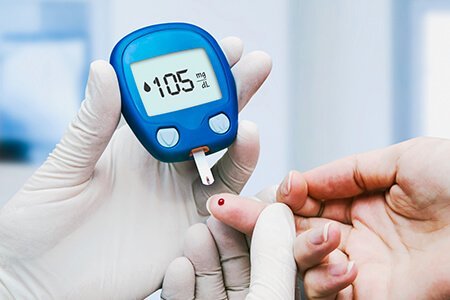
To help people understand their health status and detect diabetes early, Rwanda has, since 2022, encouraged people aged 35 and above to undergo annual health screenings, including blood sugar tests.
Community health workers have also been involved in the initiative since 2023, conducting initial screenings at village level. Those found to have elevated blood sugar levels are referred to health centres for further medical assessment.
Meanwhile, the monthly Car-Free Day initiative, introduced in 2016, has become another platform for residents to access screening for various conditions, including diabetes, while receiving information on healthy lifestyles.
Beyond bringing healthcare services closer to communities, Rwanda has also strengthened the supply of medicines and medical equipment used to manage non-communicable diseases.
Essential diabetes medicines are included in the treatment coverage provided through the Community-Based Health Insurance scheme, commonly known as Mutuelle de Santé, subject to applicable guidelines and eligibility requirements.
RBC reports that the availability of non-communicable disease medicines and basic screening equipment at healthcare facilities has exceeded 80 per cent of the national target.
To further improve access to essential medicines, the Ministry of Health and RBC have partnered with Zipline Rwanda to use drone technology to deliver insulin and other essential supplies for non-communicable disease treatment to health facilities, including medicines that require specific temperature-controlled storage.
Specialised treatment for patients with severe kidney complications also expanded
Since January 2025, Community-Based Health Insurance coverage has been expanded to include haemodialysis and kidney transplants for eligible patients.
In addition, kidney disease screening has been incorporated into diabetes patient monitoring programmes, while training of specialist doctors in kidney surgery and transplantation continues to strengthen the country’s capacity to provide these services.
Although the number of people receiving diabetes treatment continues to rise, the high proportion of people who may be living with the condition without knowing it highlights the need for sustained public awareness campaigns, regular screening and early treatment.
World Diabetes Day serves as a reminder that preventing and managing the disease begins with understanding one’s health status and seeking medical attention promptly when necessary.