Transparency International Rwanda has raised alarm over persistent and widening gaps in the management of public finances, particularly at the local government level, following its analysis of the 2023/2024 report by the Office of the Auditor General.
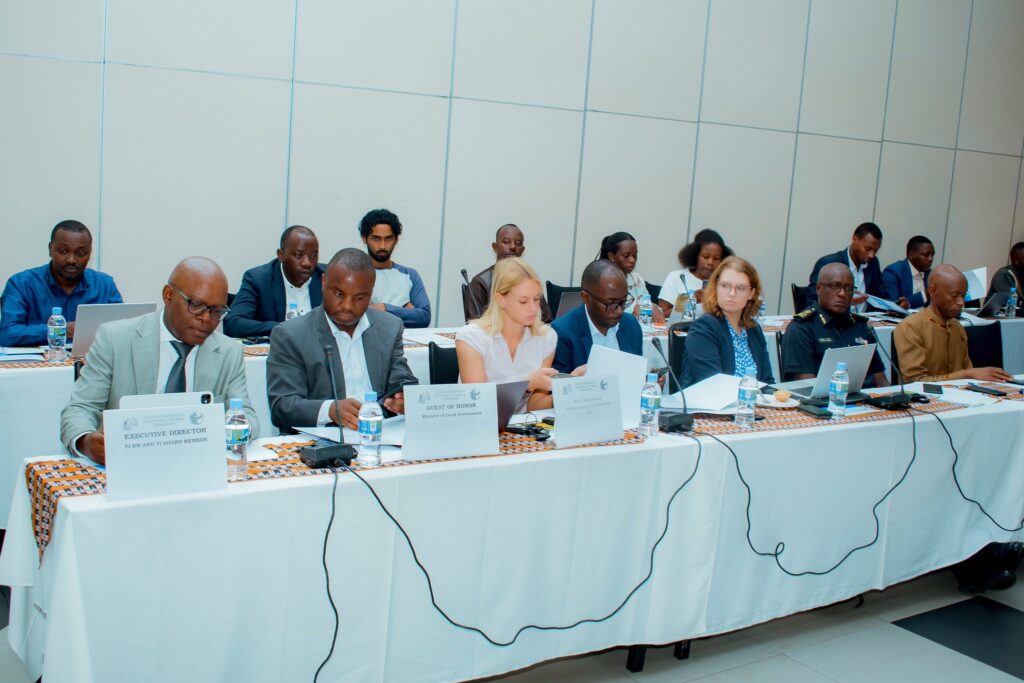
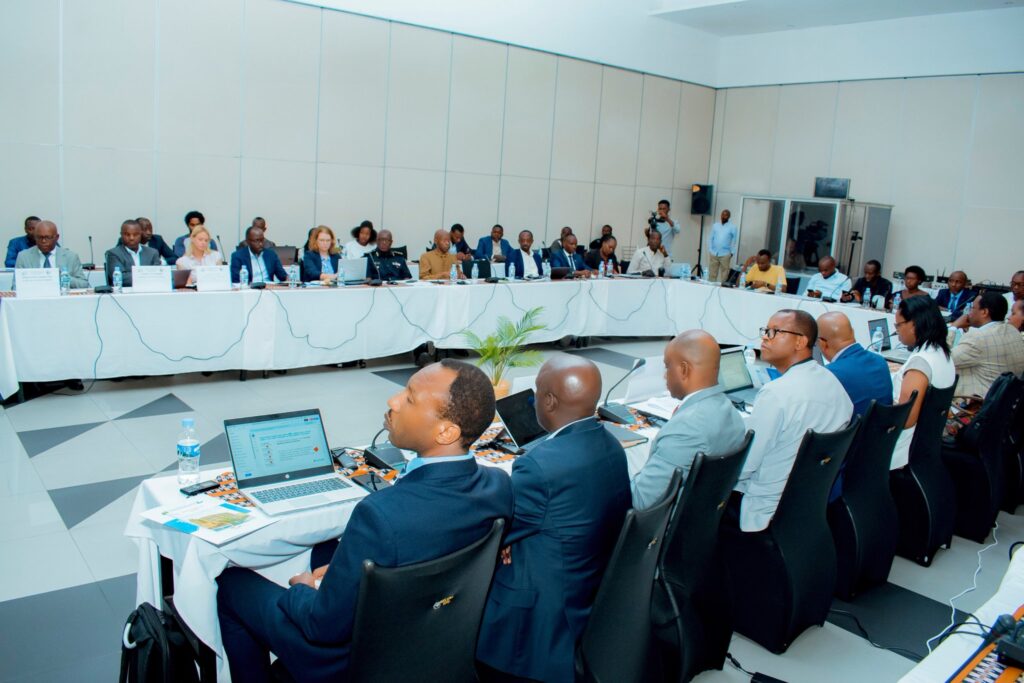
The findings, presented to government officials and key stakeholders on April 2, 2026, point to entrenched weaknesses across all 30 districts, with irregularities suggesting systemic challenges in accountability, compliance and financial oversight.
The analysis shows that 63.2 percent of the identified issues relate to the mismanagement of public funds, amounting to over Rwf 1.3 trillion spent in violation of financial regulations—an indication of serious lapses in adherence to established procedures.
Asset management irregularities surged by 95 percent, while expenditure-related issues increased by 250 percent, reflecting growing inefficiencies in both resource management and spending controls.
Of particular concern is the sharp rise in unsupported expenditures, which jumped by 355 percent to Rwf 13.3 billion. These account for 93 percent of all expenditure-related anomalies, exposing critical gaps in financial documentation and reporting systems.
Overall, non-compliance issues increased by 38 percent, rising from Rwf 1.13 trillion in the 2022/2023 fiscal year to Rwf 1.34 trillion in 2023/2024.
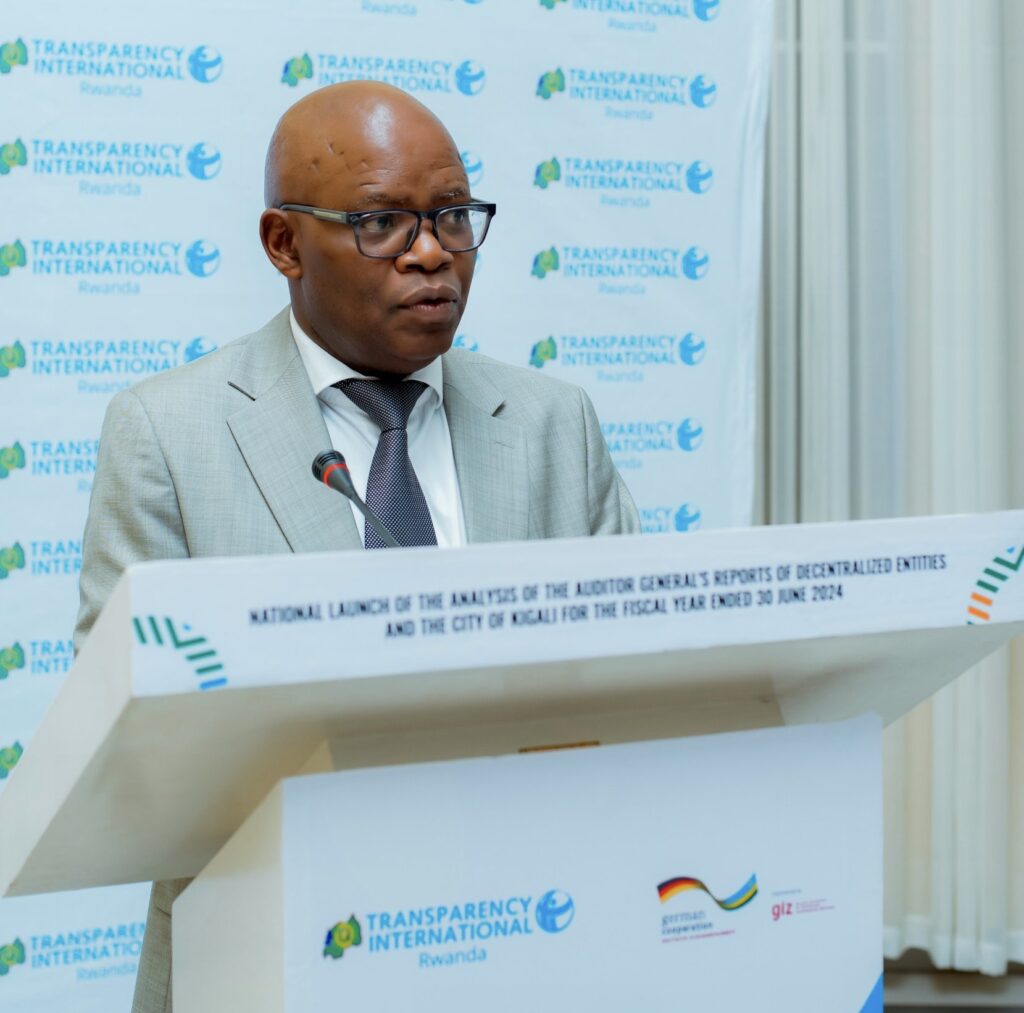
Executive Director of TI-Rwanda, Apollinaire Mupiganyi, said the recurring nature of these issues underscores the need for decisive and coordinated reforms.
“The persistence of these challenges points to the need for stronger accountability, professionalism and collective action across institutions,” he said.
He emphasized that prudent management of public funds is not only a technical obligation but a governance imperative, critical to ensuring that taxpayers’ money delivers tangible benefits to citizens.
Analysts say closing these gaps will require strengthened financial controls, stricter enforcement of regulations and improved record-keeping and reporting, particularly within decentralized entities where most of the irregularities are concentrated.