The Ministry of Trade and Industry (MINICOM) has renewed its warning to public transport operators and traders who arbitrarily increase fares and commodity prices under the pretext of rising fuel costs, saying offenders will face sanctions.
Commuters, especially those traveling to upcountry destinations, have welcomed the government’s intervention, noting that transport fares remained stable despite recent increases in petroleum product prices. They attribute this to the unchanged cost of diesel, which is widely used in public transport.
Following the announcement of approved fares, the Rwanda Utilities Regulatory Authority (RURA) has stepped up enforcement. On April 19, the regulator said nearly 100 public transport operators had already been penalized for charging above the set tariffs.
RURA urged transporters to comply with official fares and display them at bus stops to ensure transparency for passengers. It also called on commuters to report cases of overcharging or other irregularities.
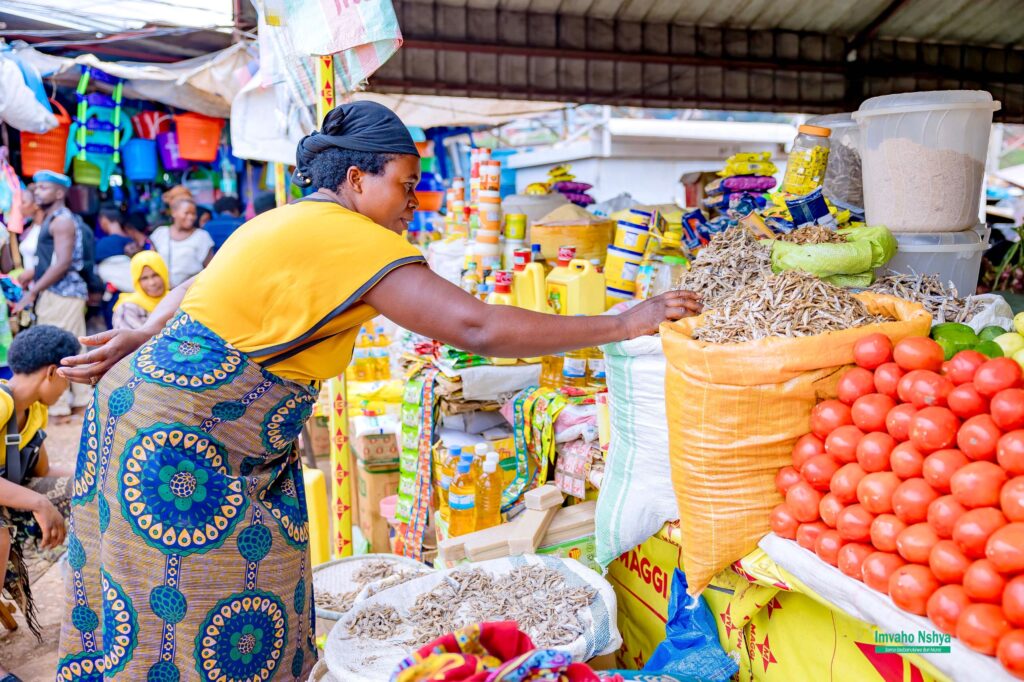
In markets, consumers report rising food prices, while traders say higher wholesale costs are driving the increases. Staple food items are among those most affected.
However, MINICOM insists the hikes are unjustified. Doreen Hategekimana, Director General for Trade and Investment at the Ministry of Trade and Industry, said diesel prices—key to transporting goods—have not increased, weakening the basis for price hikes.
“The government has invested significant effort to stabilize market prices. There is no justification for continued increases, and we will maintain close monitoring to ensure consumers are not exploited,” she said.
Like many countries, Rwanda is facing the ripple effects of rising global fuel prices, partly linked to tensions between the United States and Iran. In Rwanda, petrol prices have risen by more than 40% over the past two months, while diesel has increased by around 13% over the same period.