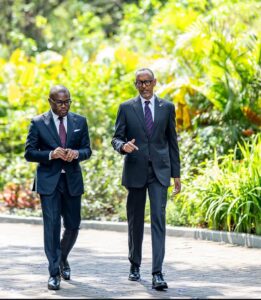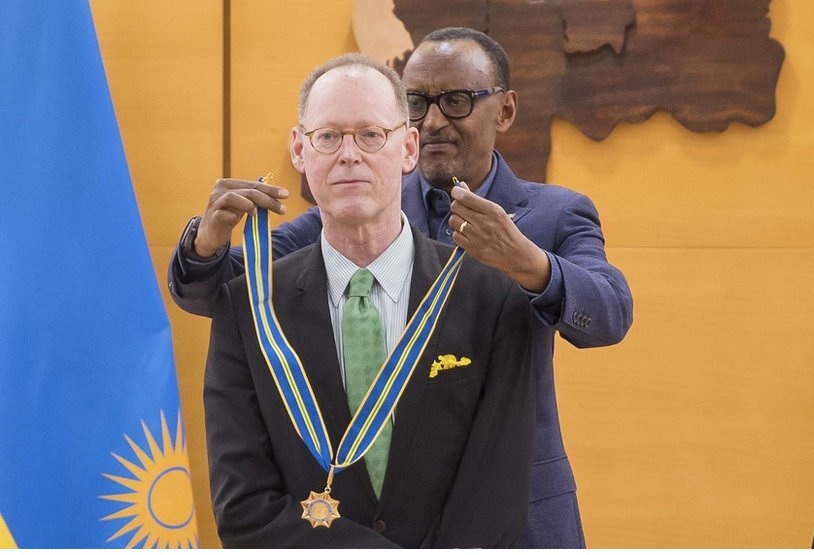
President Paul Kagame has announced that Rwanda will soon publicly recognise Tanzanian nationals who demonstrated extraordinary courage and compassion by saving lives during the 1994 Genocide against the Tutsi.
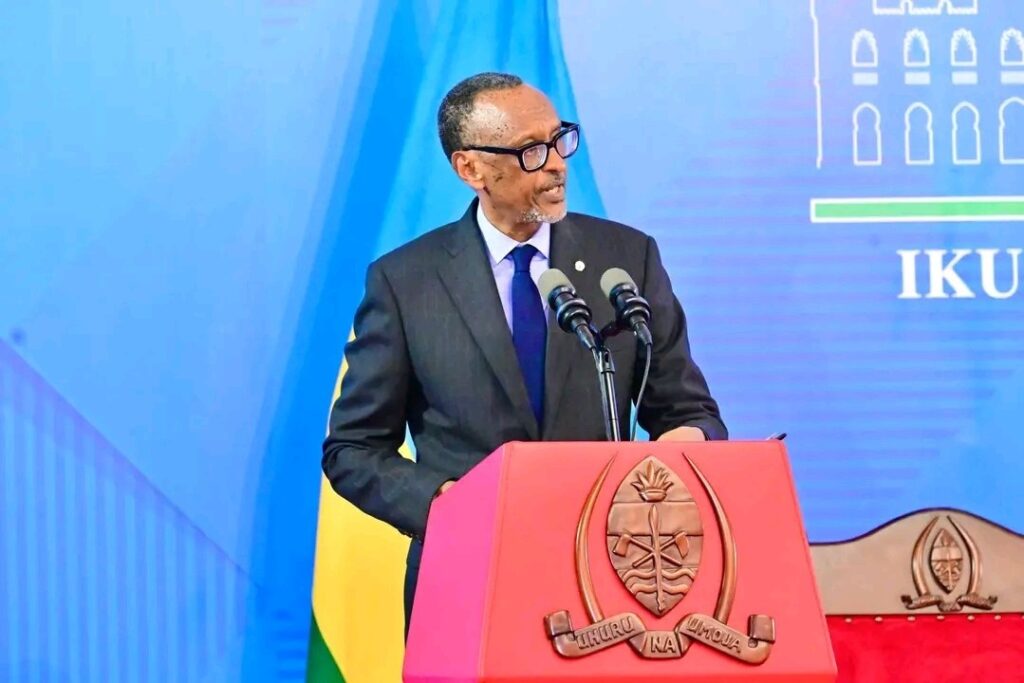
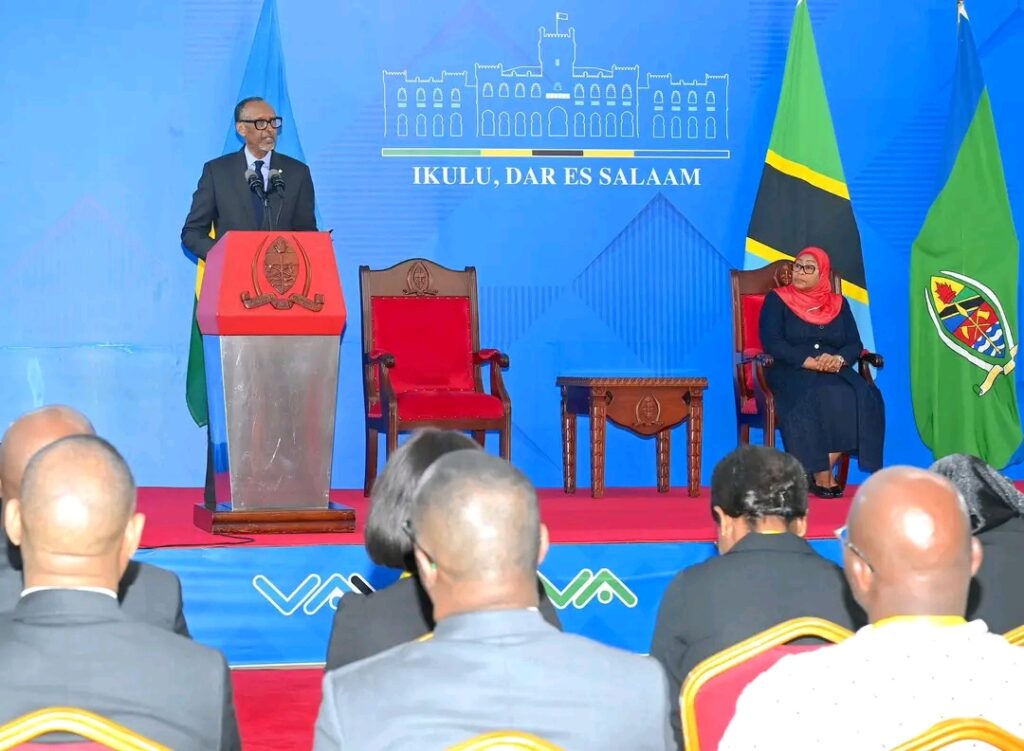
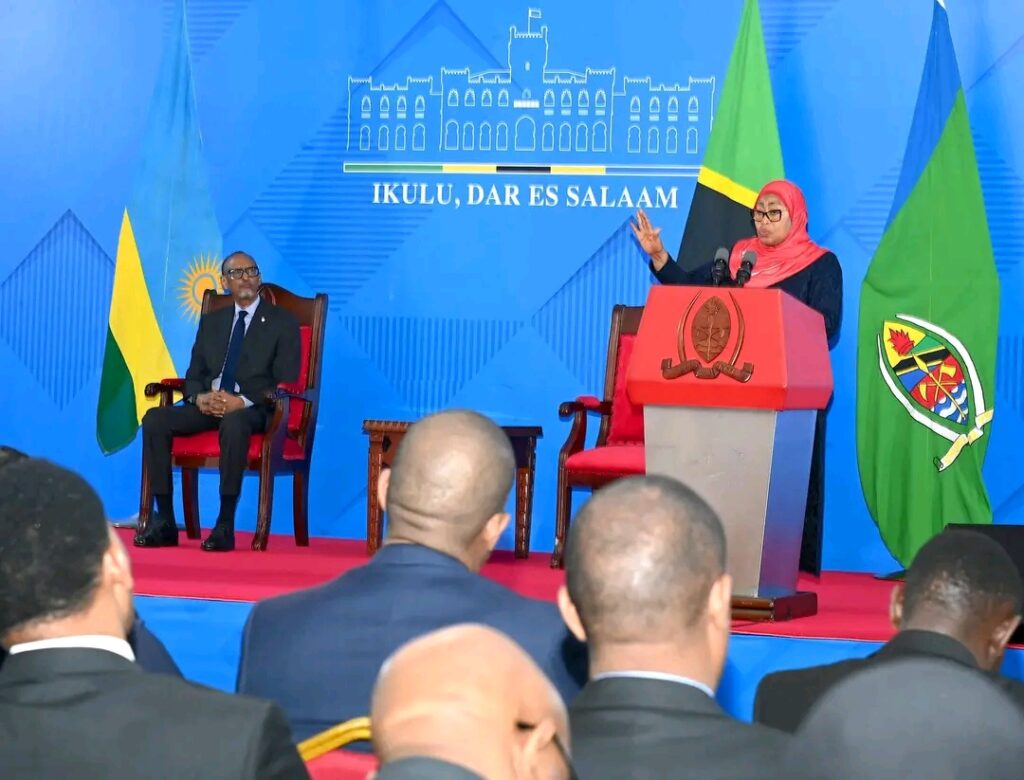
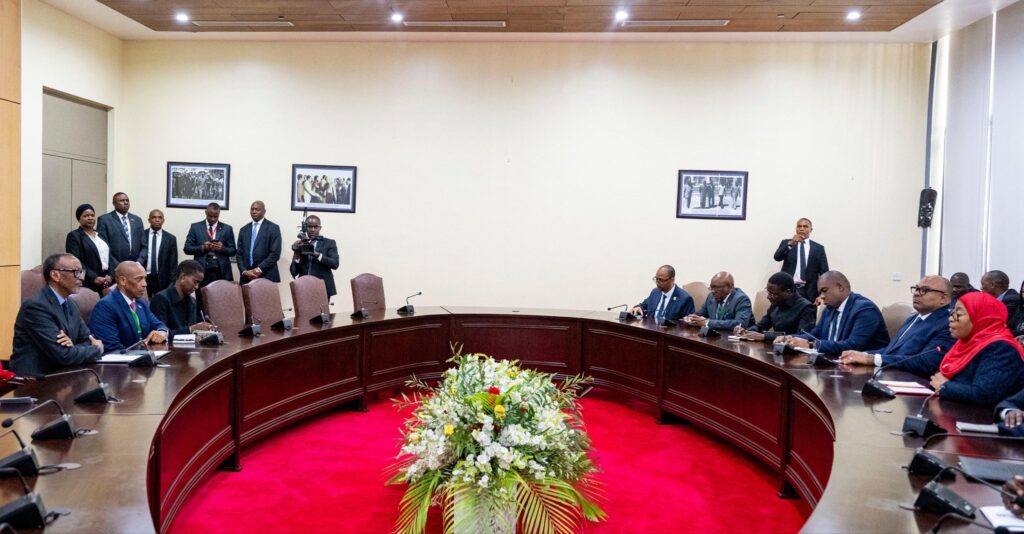
The announcement was made on Sunday, May 3, 2026, during his official visit to Tanzania, where he held bilateral talks with President Samia Suluhu Hassan, followed by a joint press briefing.
Kagame said the planned recognition will honour individuals who, at great personal risk, protected and assisted those fleeing violence at a time when many were being hunted down.
“Rwanda is currently in a period of remembrance for victims of the 1994 Genocide against the Tutsi. But soon, we will have the opportunity to publicly honour some Tanzanians whose actions during that time reflected exceptional bravery, humanity, and compassion,” he said.
His remarks come as Rwanda continues the 100-day commemoration period marking the 32nd anniversary of the Genocide against the Tutsi—a time dedicated to remembering victims and recognising acts of resilience and solidarity.
Over the years, Rwanda has acknowledged the role played by several foreign nationals who either helped rescue those at risk during the genocide or contributed to the country’s recovery in its aftermath.
Among them is Gen. Roméo Dallaire, the former Force Commander of the United Nations peacekeeping mission (UNAMIR), who is widely recognised for alerting the international community and attempting to protect civilians despite limited support.
Others include Ghanaian officers Maj Gen Henry Kwami Anyidoho and Maj Gen Joseph Narh Adinkra, whose contingent under the UN mission is credited with saving thousands of lives in different parts of Kigali.
Kagame also highlighted the contribution of Tanzanian civilians living near border areas such as Rusumo and Ngara, who opened their homes and risked their safety to shelter and assist those escaping the killings.
The planned recognition is expected to further strengthen the historical and humanitarian ties between Rwanda and Tanzania, while shining a light on individual acts of courage that stood out during one of the darkest chapters in the region’s history.