Rwanda has been recognised for its sustained efforts to improve access to finance for women entrepreneurs, reinforcing its position among Africa’s leading countries in advancing inclusive economic growth.
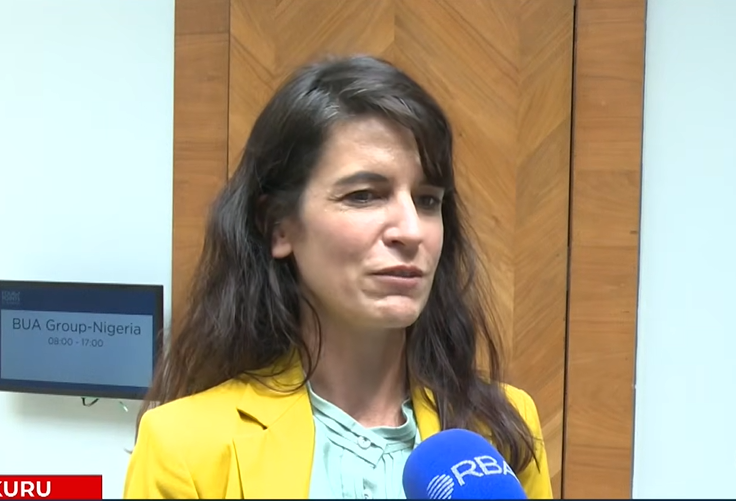
The recognition was highlighted by Ruth Madeley, Chief Executive Officer of DSIK, who said Rwanda stands out for translating gender equality commitments into practical, results-driven interventions that support women in business.
She noted that Rwanda’s deliberate policies—particularly those easing access to credit for women-led small and medium enterprises—are laying a strong foundation for the growth of female entrepreneurship.
“In Rwanda, progress in empowering women is evident not only in policy but also in implementation across all levels, including at the grassroots,” she said, adding that such efforts position the country ahead of many others on the continent.
Madeley further revealed that DSIK is working closely with the Government of Rwanda to scale up initiatives aimed at expanding financial access and strengthening women’s participation in entrepreneurship.
Data from the National Bank of Rwanda (BNR) shows steady progress in promoting women-led businesses. Over the past year, financial institutions have introduced gender-focused frameworks, including appointing dedicated staff to oversee gender inclusion and rolling out targeted capacity-building programmes.
According to Moise Bigirimana, Acting Head of Financial Sector Development at BNR, about 12,700 small and medium enterprises are currently led by women. Many of these businesses have benefited from training and advisory services to strengthen investment readiness and management capacity.
He added that at least 2,426 women have accessed financing through partner institutions, reflecting growing traction in efforts to bridge the financing gap.
Additional reforms are underway, including the establishment of dedicated financial centres targeting women and improved data systems within banks to track the impact of gender-responsive financial services.
The broader initiative to enhance women’s access to finance is being implemented across 32 African countries. In Rwanda, women account for approximately 40 percent of small-scale investments—an indicator of their increasing role in the country’s entrepreneurial ecosystem.
Looking ahead, Rwanda aims to facilitate 18,500 loans over the next five years, with 80 percent earmarked for women-led enterprises. The programme is expected to generate more than 140,000 jobs, with a strong focus on young women aged between 18 and 35, further cementing the country’s commitment to inclusive and sustainable economic development.