Rwanda’s agriculture and livestock sector recorded a slowdown in growth during the 2024/2025 fiscal year, as lawmakers and experts point to persistent structural constraints affecting productivity and food security.
A report presented to the Chamber of Deputies during a plenary session analyzed the performance of the National Bank of Rwanda for the period between July 2024 and June 2025, highlighting a decline in sector performance compared to the previous year.
According to the findings, agriculture and livestock output grew by 5.1% in 2023/2024 but slowed to 3.9% in 2024/2025, signaling a clear downward trend.
The Committee on Economy and Trade attributed the decline to multiple challenges, including limited technical skills among farmers, low productivity per hectare, and insufficient budget allocation to the sector, which remains at around 3–4% despite agriculture employing more than 70% of the population.
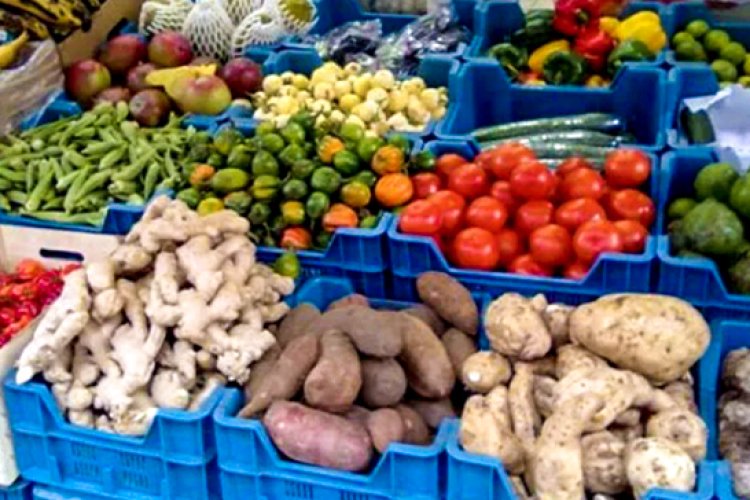
Lawmakers also pointed to slow progress in irrigation development and significant post-harvest losses as key factors undermining productivity and value addition.
They warned that if addressed, these bottlenecks could help stabilize food prices, strengthen food security, reduce import dependency, and boost agricultural exports.
Stakeholders in the sector called for coordinated interventions, including improved access to quality seeds, land consolidation, expansion of irrigation infrastructure, reduction of post-harvest losses, support for professional farming, and affordable long-term financing for farmers.
The Chamber of Deputies stressed that sustained economic growth will depend heavily on agriculture and livestock performance, endorsing the report and its recommendations for implementation by relevant institutions.
Former Minister of Agriculture Ildephonse Musafiri has previously argued that achieving food self-sufficiency requires allocating at least 10% of the national budget to agriculture, with strategic investments to strengthen the sector as the backbone of the economy and rural livelihoods.
rwanda
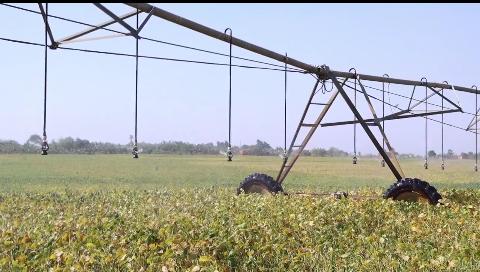
Irrigation activities in farmland are still limited.