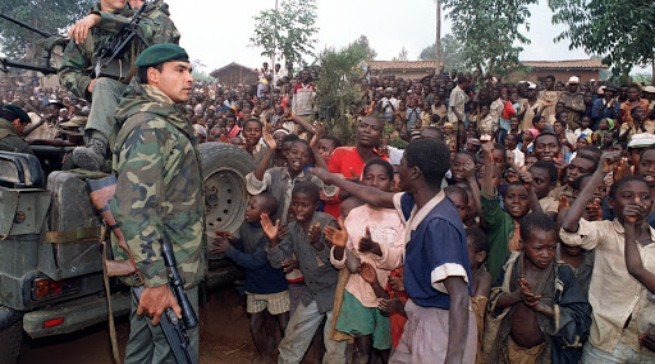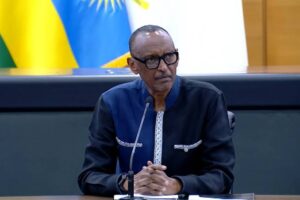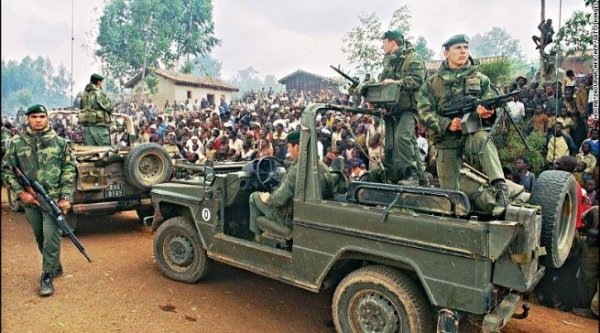
As the 1994 Genocide against the Tutsi intensified across Rwanda, France continued providing military and strategic support to the former Rwandan government and its armed forces, despite mounting evidence of mass killings targeting Tutsi.
May 11, 1994 marked the 35th day of the 100-day genocide, during which the regime led by former interim President Théodore Sindikubwabo pressed ahead with its extermination campaign against Tutsi across the country.
Historical reports and testimonies indicate that France maintained close military cooperation with the former Rwandan Armed Forces (FAR) during the genocide through logistical support, military advice and communication assistance.
French General Jean-Pierre Huchon reportedly advised FAR officers to secure strategic zones where aircraft could safely land, including preparations at Kamembe Airport, while also warning that the war could be prolonged.
He further proposed the use of Goma airport, then under French control, as a logistical route for delivering weapons and military supplies to FAR.
The discussions reportedly included requests for ammunition, military uniforms, communication equipment and thousands of rounds of artillery shells intended for government forces during the genocide.
Reports also suggest that France supplied secure communication devices, including a special telephone line intended to facilitate direct communication between General Huchon and FAR Chief of Staff Augustin Bizimungu.
In addition to military coordination, French officials were reportedly concerned about protecting the international image of the Rwandan government at a time when massacres against Tutsi were escalating.
According to records from the period, Huchon advised Rwandan military officials to intensify media campaigns aimed at portraying the government as legitimately fighting a war, rather than carrying out genocide.
The discussions took place at a time when hundreds of thousands of Tutsi had already been killed across Rwanda.
Meanwhile, the Rwandan Patriotic Front continued efforts to rescue Tutsi civilians trapped in different parts of the country.
On the same day, Interahamwe militias led by Obed Ruzindana killed many Tutsi who had sought refuge in Bisesero, an area that became symbolic for the resistance mounted by Tutsi against genocidal attacks during the 1994 Genocide against the Tutsi.