IBUKA has said the death of Félicien Kabuga does not diminish accountability for his alleged role in the 1994 Genocide against the Tutsi, calling for continued efforts to expedite justice in genocide-related cases and prevent delays that could deny full judicial outcomes.
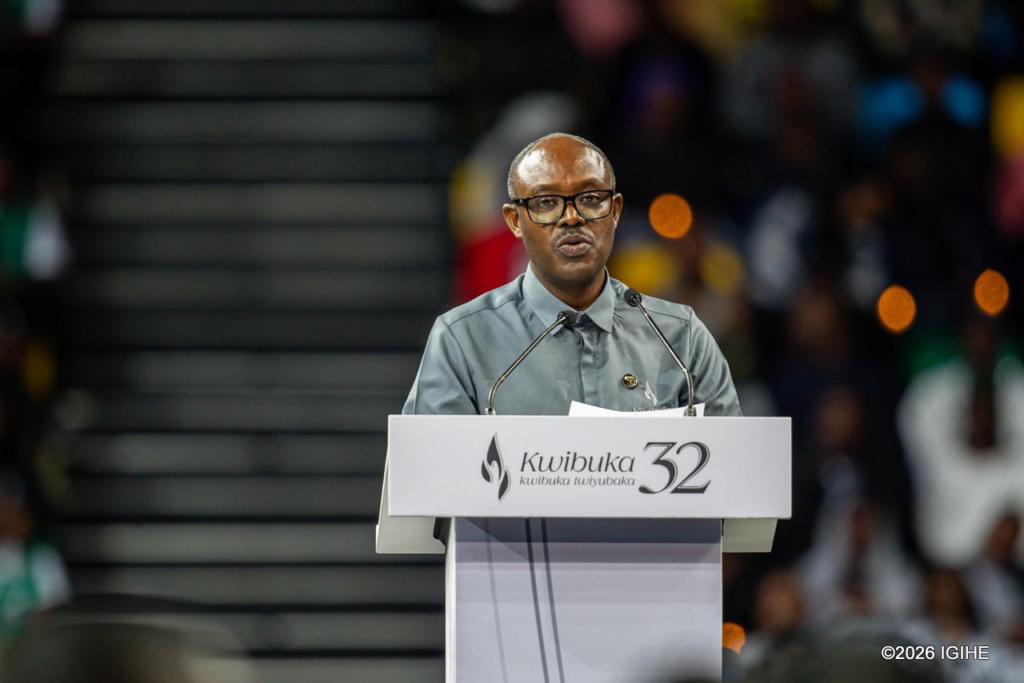
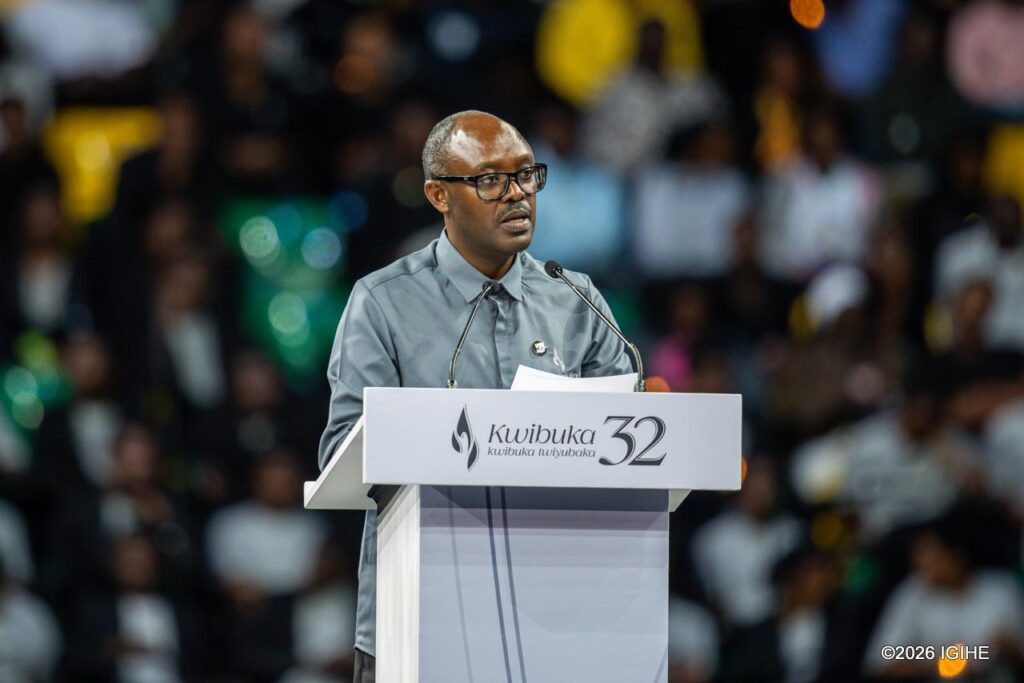
The remarks were made by IBUKA President Dr. Gakwenzire Philbert following confirmation by the International Residual Mechanism for Criminal Tribunals (IRMCT) that Kabuga died on May 16, 2026, in The Hague, the Netherlands, while in custody.
Kabuga, a prominent businessman, had faced multiple charges linked to the Genocide against the Tutsi, including conspiracy to commit genocide, direct and public incitement to commit genocide, and crimes against humanity such as murder, extermination, and persecution.
Speaking to Rwanda Broadcasting Agency (RBA), Dr. Gakwenzire described Kabuga as a central figure in the financial and logistical support of the genocide, arguing that his resources played a significant role in enabling its execution.
He claimed Kabuga benefited from political and business connections during the former regime, which facilitated his influence and operations during the period leading up to the 1994 Genocide against the Tutsi.
IBUKA also reiterated allegations that Kabuga played a key role in financing the Interahamwe militia, which carried out widespread killings across the country, as well as his reported involvement in RTLM radio, which is widely accused of spreading hate propaganda and inciting violence.
According to Dr. Gakwenzire, Kabuga’s death while still facing allegations underscores long-standing concerns about delayed justice in genocide cases, particularly when suspects evade arrest for years before prosecution begins.
Kabuga was arrested in France in May 2020 after 26 years on the run and later transferred to The Hague under the custody of the IRMCT in October 2020. His trial began in 2022 but was suspended in 2023 after judges ruled that he was medically unfit to continue proceedings due to deteriorating health.
He remained in detention under UN custody while authorities considered possible arrangements for his provisional relocation to a host country.
IBUKA has warned that similar delays in other genocide cases risk undermining accountability, especially for suspects who are aging or still at large. The organisation urged international jurisdictions handling genocide-related prosecutions to accelerate proceedings to ensure justice is delivered without further delay.
Dr. Gakwenzire also pointed to ongoing concerns about other genocide suspects who have yet to face trial, stressing that prolonged processes could result in cases being unresolved due to death or health-related incapacity.
IBUKA maintains that genocide crimes have no statute of limitations and insists that justice must remain a priority regardless of time elapsed since the 1994 Genocide against the Tutsi.