June 6, 1994 marked the 62nd day of the 100-day genocide against the Tutsi, as mass killings continued across Rwanda while the Rwandan Patriotic Front (RPF-Inkotanyi) advanced its military offensive and carried out rescue operations in areas under its control.
On this day, the RPF appealed to the United Nations Security Council to shut down Radio Télévision Libre des Mille Collines (RTLM), which was broadcasting messages inciting violence against Tutsi civilians. The movement also called for the removal of Rwanda’s representative to the council, arguing that the government in power was actively responsible for the genocide.
According to the National Commission for the Fight against Genocide (CNLG), government forces launched a major offensive against RPF positions along the Kigali–Burundi border road, amid intensified fighting as the war continued across multiple fronts.
During a government meeting held the same day, then Prime Minister Jean Kambanda stated that since April, the administration had suffered more than 5,000 wounded soldiers and around 1,000 fatalities in its ongoing confrontation with RPF forces. The meeting also confirmed that weapons ordered from abroad were expected to arrive shortly.
Elsewhere, killings of Tutsi civilians continued in areas not yet under RPF control. In Kamembe, in the former Cyangugu prefecture, Interahamwe militia led by Yusuf Munyakazi killed Tutsi who had taken refuge in the area.
In Kigali, Tutsi who had sought refuge at Saint Joseph Secondary School in Nyamirambo were also killed.
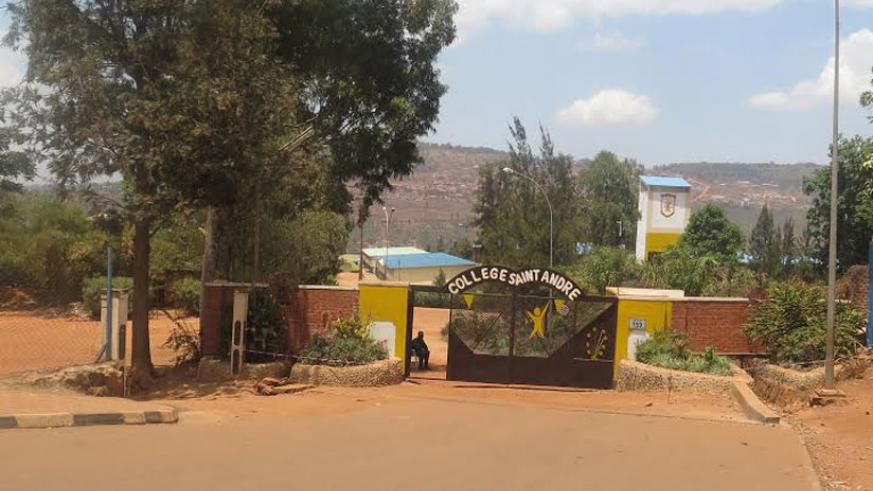
At nearby Saint André Secondary School in Nyamirambo, more than 80 Tutsi were killed in a separate attack.
The day reflected the simultaneous escalation of mass violence and military operations that characterized the genocide period, as killings continued alongside the shifting frontlines of the war.