About 19% of Rwandans aged five and above have at least one difficulty affecting their daily activities, including seeing, hearing, walking, communicating, remembering or self-care, according to the latest Rwanda Demographic and Health Survey (RDHS) 2025.
The findings, released by the National Institute of Statistics of Rwanda (NISR) in collaboration with the Ministry of Health, highlight the prevalence of disability-related challenges and the need for stronger inclusive health and social support services.
The survey assessed 48,075 people aged five years and above across Rwanda, examining their ability to perform six key daily functions: seeing, hearing, walking, communicating, remembering and self-care.
The report shows that 81% of Rwandans in this age group do not face any difficulty in the assessed areas.
However, 13% reported some level of difficulty in at least one area, while 6% experienced severe difficulties or were unable to perform at least one of the activities.
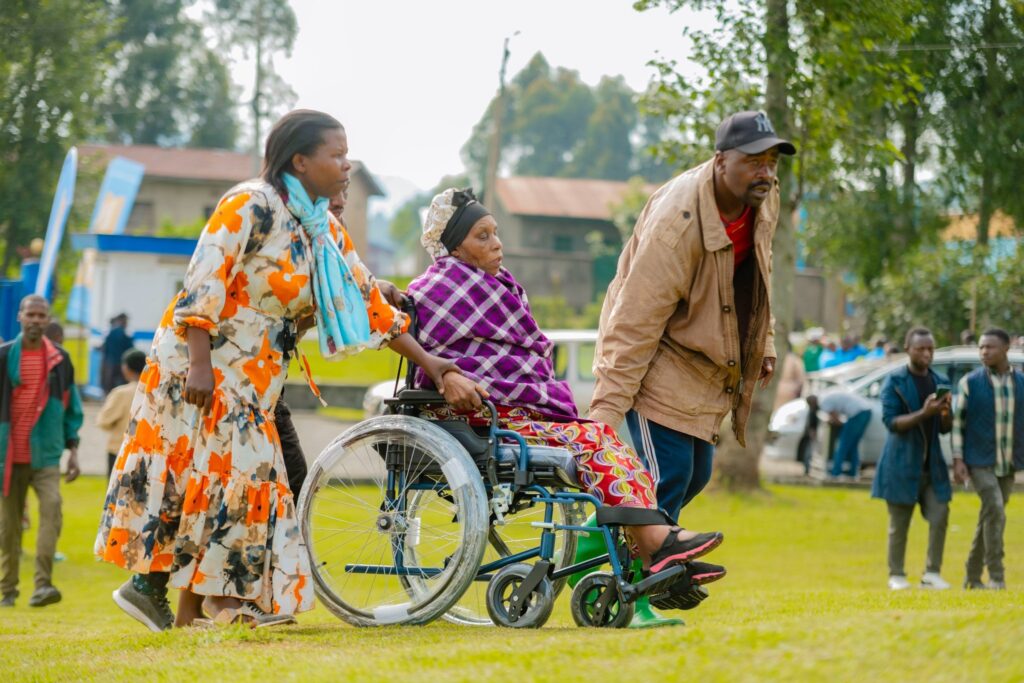
Older people were found to face the greatest challenges, with difficulties increasing significantly as age advances.
Among people aged 60 and above, 72% reported having at least one challenge. Of these, 40% had moderate difficulties, 29% faced severe challenges, while 3% were unable to perform at least one activity completely.
The survey shows that severe difficulties remain relatively low among younger age groups but increase sharply among older populations.
Among people below 40 years, between 2% and 4% reported severe difficulties or inability to perform at least one activity. The figure rises to 7% among those aged 40 to 49, 15% among those aged 50 to 59, and 32% among people aged 60 and above.
Women were more likely than men to report difficulties in daily activities.
Among people aged 15 and above, 73% of women reported no difficulty in any of the assessed areas, compared with 79% of men.
Moderate difficulties were reported by 18% of women and 15% of men, while severe difficulties affected 8% of women and 6% of men. Fewer than 1% of both women and men were unable to perform at least one activity completely.
Vision impairment emerged as the most common challenge reported in the survey.
Difficulty seeing affected 20% of women and 15% of men aged 15 and above, making it the leading disability-related challenge in Rwanda.
The Southern Province recorded the highest levels of vision difficulties, affecting 24% of women and 18% of men.
It was followed by the Northern Province, where 22% of women and 14% of men reported vision challenges. In both the Eastern and Western provinces, the figures stood at 20% among women and 15% among men.
Kigali City recorded the lowest prevalence of vision difficulties, affecting 12% of women and 8% of men.
Walking difficulties were the second most common challenge, reported by 11% of women and 7% of men.
The RDHS 2025 findings underline the importance of expanding access to healthcare, rehabilitation services, assistive technologies and inclusive infrastructure to support Rwandans living with disabilities and other daily activity challenges.