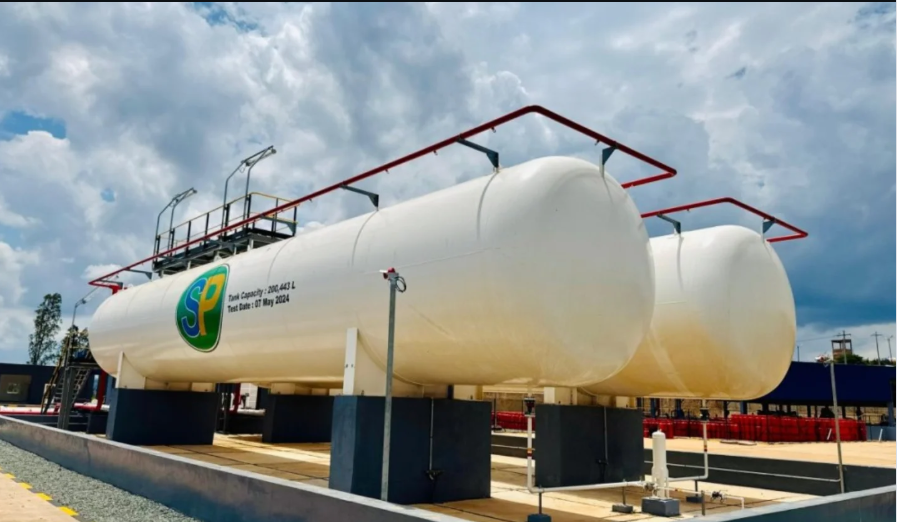
Rwanda has expanded its petroleum storage capacity to 118 million litres as the government moves to strengthen the country’s energy security and shield the economy from global fuel market disruptions.
Prime Minister Dr. Justin Nsengiyumva said the expanded reserves form part of a broader strategy to ensure a steady supply of petroleum products despite continued volatility in international oil markets.
Presenting the government’s economic resilience measures to a joint sitting of Parliament, Dr. Nsengiyumva said Rwanda remains resilient but is still exposed to external shocks, including the sharp rise in global fuel prices.
Between February and June 2026, the price of crude oil surged from about US$70 to more than US$126 per barrel, pushing domestic petrol prices up by nearly 48% and diesel prices by 50%.
To mitigate the impact, the government has stepped up investment in strategic fuel storage while helping petroleum importers access financing to maintain adequate supplies.
“To prevent fuel shortages, the Government has continued investing in expanding petroleum storage capacity and supporting fuel importers to secure financing for fuel purchases,” the Prime Minister said.
Rwanda’s petroleum storage capacity has now reached 118 million litres, nearly doubling from 72 million litres in 2021. The government plans to further increase capacity to 230 million litres by 2029 under the Second National Strategy for Transformation (NST2).
Dr. Nsengiyumva said the expanded storage network will enable Rwanda to better withstand supply disruptions originating from international markets while ensuring a continuous supply of fuel across the country.
Beyond increasing storage capacity, Rwanda is also diversifying its fuel supply routes to reduce dependence on a single transport corridor.
The country recently signed agreements with Kenya to facilitate petroleum imports through the Northern Corridor and with Tanzania to import petrol and diesel through the Port of Tanga.
The first consignment of 40,000 tonnes of petroleum products is expected to arrive via the Port of Tanga before the end of July, with regular monthly shipments planned thereafter.
According to the government, the combination of larger strategic reserves and diversified import routes is expected to enhance fuel security, improve supply reliability and contribute to more stable fuel prices over the long term.