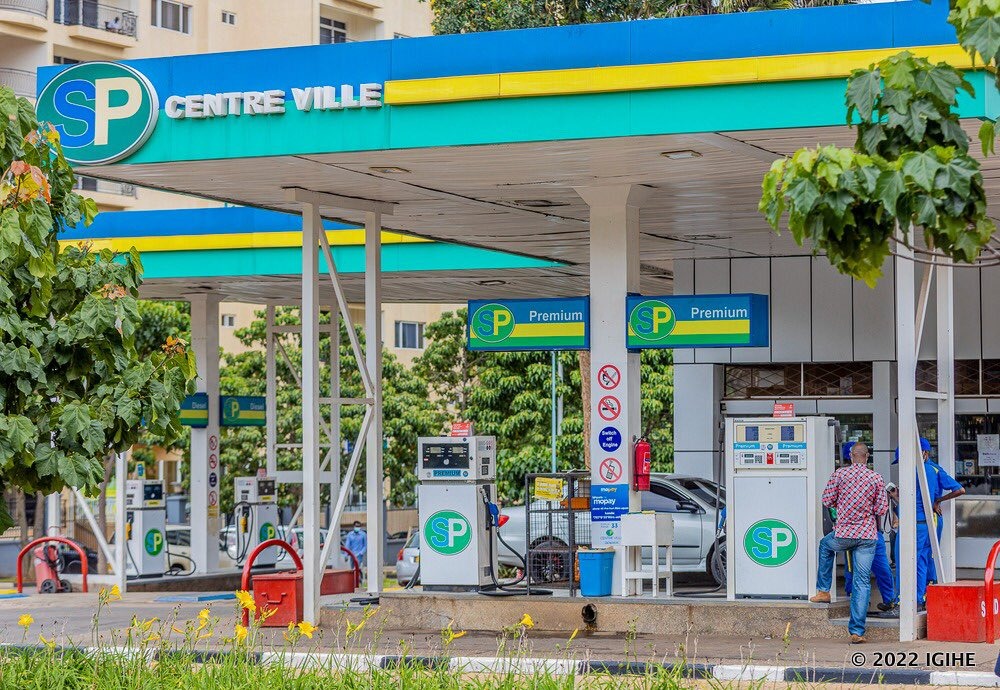
Rwanda has spent nearly Rwf48 billion on fuel subsidies in four months as the government moves to shield consumers and the economy from the impact of rising global oil prices.
Prime Minister Dr. Justin Nsengiyumva said the subsidy programme, implemented between March and June 2026, was part of broader government measures to contain inflationary pressures and protect citizens from the effects of international market volatility.
Presenting the government’s economic resilience measures to Parliament, Dr. Nsengiyumva said Rwanda has been affected by global shocks, including a sharp increase in petroleum prices on international markets.
He said the government intervened through fuel subsidies to limit the impact of rising costs, particularly in the transport sector, which directly affects the prices of goods and services.
“The subsidy enabled diesel prices to remain at Rwf2,927 per litre instead of rising to the market-based price of about Rwf3,600 per litre,” Dr. Nsengiyumva said.
The intervention helped slow the increase in transport costs and reduced pressure on households and businesses, according to the Prime Minister.
Beyond short-term price support, the government is also investing in measures aimed at reducing fuel dependence and improving public transport efficiency.
Dr. Nsengiyumva highlighted the introduction of electric buses and dedicated bus lanes in Kigali as part of efforts to provide affordable transport, improve efficiency and reduce environmental impact.
He said public transport use has increased by 15% in the six months since the new transport system was introduced.
The government says the combination of targeted subsidies and investments in sustainable transport infrastructure will help Rwanda manage future global energy price shocks while supporting economic stability.