The Senate Committee on Economic and Financial Affairs has started a nationwide assessment of government efforts to expand electricity access, with a focus on evaluating progress, challenges, and areas requiring further improvement.
The exercise, running from July 14 to July 31, 2026, will see senators visit 12 districts across the provinces, alongside Gasabo and Nyarugenge districts in Kigali City, to assess the implementation of Rwanda’s electricity access programmes.
The assessment aims to examine whether ongoing initiatives are delivering reliable electricity services to communities and identify measures needed to accelerate progress toward the country’s goal of universal electricity access.
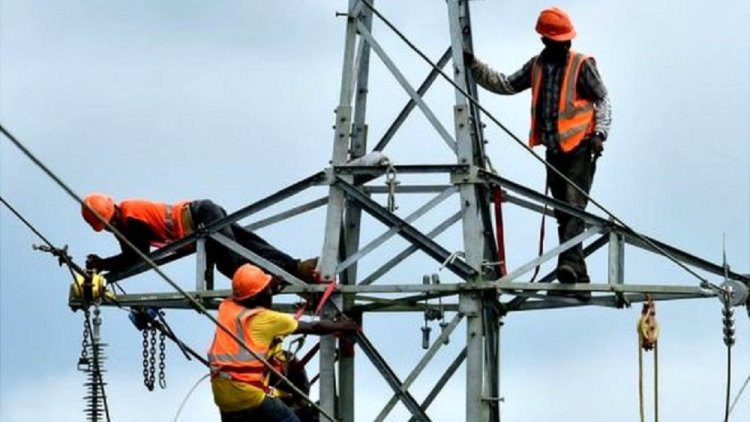
During the field visits, senators will meet local government officials, residents, and other stakeholders, while inspecting energy infrastructure, power generation facilities, and development projects that depend on electricity.
Key areas under review include the expansion of electricity connections, the capacity of power generation plants, transmission and distribution networks, and the adoption of renewable energy solutions, particularly solar power.
The committee will also assess the role of private sector companies and development partners in supporting Rwanda’s efforts to increase electricity access and improve service delivery.
Oversight reports produced between 2018 and 2026 by the Senate, the Chamber of Deputies, the Office of the Auditor General, and other institutions show that Rwanda has made notable progress in expanding electricity coverage.
However, the reports point to ongoing challenges, including intermittent power outages, delays in connecting some households, losses within electricity distribution systems, and gaps in the implementation of solar energy initiatives.
The Senate’s latest assessment is expected to provide recommendations aimed at strengthening Rwanda’s energy sector and improving the reliability and reach of electricity services nationwide.