A new health survey has revealed that while awareness of tuberculosis (TB) remains high among Rwandans, many people who experience possible symptoms still delay seeking medical attention.
Findings from the Rwanda Demographic and Health Survey (RDHS) 2025 show that only 43% of people who reported having at least one symptom associated with tuberculosis sought medical advice or treatment. The survey was conducted by the National Institute of Statistics of Rwanda in collaboration with health authorities.
The report indicates that knowledge about TB is widespread among Rwandans aged 15–49. About 97% of women and 98% of men surveyed said they had heard of tuberculosis, while 88% of women and 91% of men knew that the disease can be cured.
However, gaps remain in public understanding of how tuberculosis spreads. Among respondents who had heard about TB, only 68% of women and 72% of men correctly identified that it is transmitted through the air when an infected person coughs, sneezes or speaks.
Misconceptions about transmission continue to affect awareness. Some respondents believed TB could spread through sharing eating utensils, food or drinks, while others thought it could be transmitted through physical contact with an infected person.
The survey highlights the importance of early diagnosis and treatment in controlling the spread of tuberculosis. Health officials emphasize that people with symptoms should seek care quickly and follow preventive measures such as covering the mouth and nose when coughing or sneezing.
Among those surveyed, 50% of women and 59% of men said seeking medical care when experiencing TB symptoms can help prevent transmission. Meanwhile, 39% of women and 42% of men identified covering the mouth when sneezing as a preventive measure.
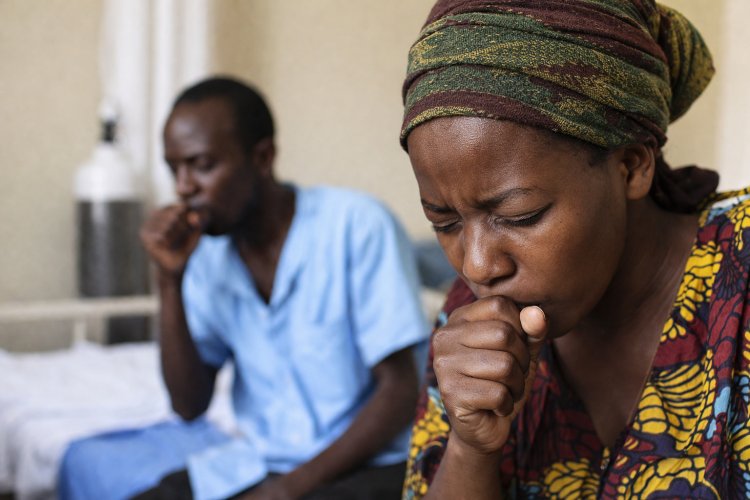
A persistent cough lasting two weeks or more was the most recognized symptom of tuberculosis, identified by 91% of women and 96% of men. Other symptoms mentioned included fever, chest pain, night sweats, unexplained weight loss and severe fatigue.
The survey found that 7% of women and 5% of men reported experiencing at least one symptom that could be linked to tuberculosis at the time of the study.
Among those who sought treatment, health centres were the most common source of care, with 69% of women and 58% of men with TB-related symptoms reporting that they visited health facilities. Pharmacies were used by 9% of women and 16% of men.
Rwanda continues to strengthen its tuberculosis response through community health workers, expanded screening and diagnostic services, including GeneXpert technology.
The RDHS 2025 findings show that although public knowledge of tuberculosis is high, further awareness efforts are needed to address misconceptions, improve understanding of transmission, and encourage earlier health-seeking behaviour among people with symptoms.