The Ministry of Agriculture and Animal Resources (MINAGRI) has urged farmers to prepare early for the 2027A farming season, warning that the season is expected to experience heavy rainfall and could increase the risk of flooding, soil erosion and crop losses.
The season runs from August to December and is considered critical to Rwanda’s food security, accounting for about 70% of annual maize production, 54% of potato production, 49% of rice production and 47% of bean production, compared with the 2027B season.
MINAGRI said the priority for the 2027A season is to increase crop yields per hectare, expand production of agricultural products for export and strengthen measures to protect farmers against the effects of climate change.
The ministry called for close coordination between farmers, local authorities, agricultural extension officers, input suppliers and other stakeholders to ensure that preparations and planting activities are carried out on time.
According to weather forecasts cited by the ministry, the season is expected to be influenced by El Niño conditions, which can contribute to significant changes in rainfall patterns.
MINAGRI has therefore urged farmers to take early measures to protect their fields and crops from excessive rainfall.
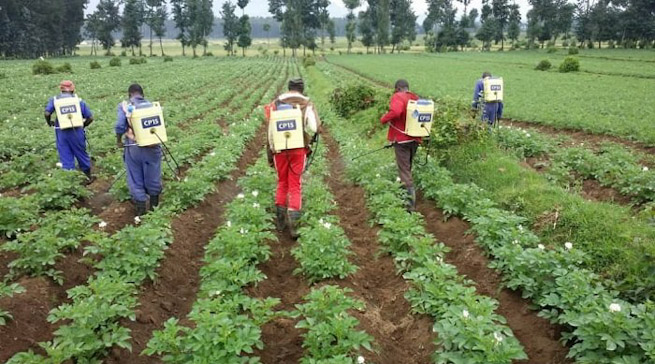
Farmers have been advised to cultivate all suitable land, make better use of designated marshlands and production zones, and follow agricultural guidance on which crops are best suited to specific areas.
The ministry also called for increased use of improved seeds and fertilisers at recommended rates to raise productivity.
Soil and water conservation will be another priority during the season. Farmers have been encouraged to strengthen terraces, plant soil-binding grasses and agroforestry trees, and maintain drainage channels and water-conveyance systems in marshlands and irrigated areas.
MINAGRI said these measures will help reduce soil erosion, manage excess water and limit damage caused by heavy rainfall.
Farmers in areas prone to prolonged dry conditions have also been advised to grow crops suited to local weather conditions and strengthen water-harvesting and soil-conservation measures.
The ministry further encouraged farmers and livestock keepers to enrol in subsidised crop and livestock insurance to protect themselves against losses associated with climate-related shocks.
Farmers growing perennial crops such as bananas and coffee were urged to maintain good agricultural practices, including applying fertiliser and mulch and following advice from agricultural extension officers.
They were also advised to regularly monitor crops and act quickly when pests or diseases are detected.
MINAGRI encouraged farmers to prepare early for harvesting, post-harvest handling and marketing, including establishing relationships and agreements with potential buyers.
Fertiliser costs rise
The preparations for the 2027A season come as farmers face higher fertiliser prices, although the government is maintaining subsidies to cushion them against rising input costs.
About 60,000 tonnes of fertiliser are expected to be used during the season.
The price of Urea has increased from RWF 1,190 to RWF 1,980 per kilogramme, a 66% rise. NPK 17-17-17 Compound has increased from RWF 1,369 to RWF 1,861 per kilogramme, while NPK 17-17-17 Blend has risen from RWF 1,330 to RWF 1,780 per kilogramme.
The government will subsidise 46% of the cost of DAP, 45% of Urea, 43% of NPK 17-17-17, 45% of Kynoplus coated Urea, 36% of KCL/MOP and 18% of micronutrient fertilisers and blends.
MINAGRI has urged farmers to register early and secure agricultural inputs in time for planting, while making greater use of irrigation and other climate-smart farming practices to strengthen resilience and improve productivity.