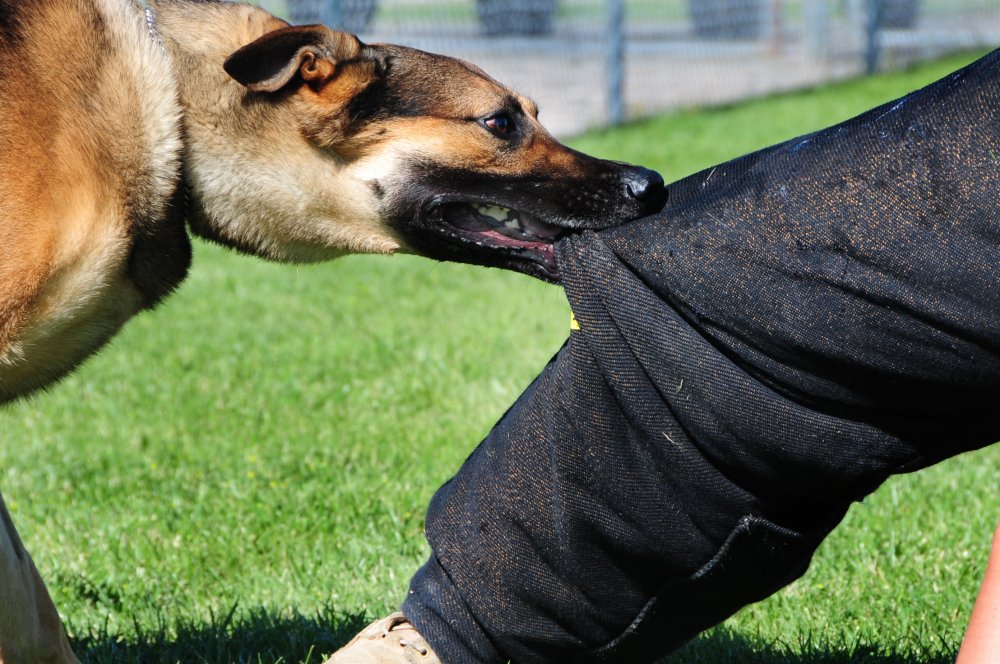
More than 500 people are bitten by dogs in Rwanda every year, with rabies blamed for an estimated two to three deaths annually, according to figures from the Ministry of Agriculture and Animal Resources.
The Rwanda Agriculture and Animal Resources Development Board (RAB) says it is implementing a five-year strategy aimed at eliminating rabies and preventing deaths linked to the disease by 2030.
Under the 2026–2030 plan, Rwanda aims to vaccinate at least 70% of the country’s dogs and cats, a target considered critical to reducing the transmission of rabies from animals to humans.
Vaccination of dogs and cats helps protect animals from rabies while reducing the risk of transmission to people and other animals.
Rwanda’s dog-owning population is also growing, with more owners seeking veterinary services, including vaccination and treatment.
RAB data shows that the number of permits issued for importing and exporting dogs has increased significantly. In the 2020/21 financial year, the agency issued 148 permits for dog imports and 58 for exports. By 2025/26, it had issued 386 permits related to dog imports and exports.
George Paul Kamanzi, a RAB official responsible for monitoring documentation for animals entering and leaving the country, said technology is being used to speed up the process of obtaining permits for people who own or plan to own dogs.
RAB reported that 13,900 dogs were vaccinated during the 2024/25 financial year. Although participation in dog and cat vaccination programmes has increased, coverage remains below the level targeted by authorities.
Immediate action after dog bites
The Rwanda Biomedical Centre (RBC) urges anyone bitten by a dog to immediately wash the wound, preferably within 15 minutes.
The centre says prompt wound washing can substantially reduce the risk of rabies transmission, while people exposed to a potentially infected animal should seek medical attention promptly.
Rabies is a viral disease that attacks the nervous system of mammals, including humans. It is found on every continent except Antarctica and is primarily transmitted through the bites of infected animals.
The disease is particularly dangerous because once clinical symptoms appear, it is almost invariably fatal.
Rabies is caused by viruses in the Lyssavirus genus and can affect the brain and nervous system.
Symptoms can appear between one and three months after exposure, although the incubation period varies widely. In some cases, symptoms can develop within a week, while in others they may take more than a year.
Authorities are therefore urging dog owners to keep their animals vaccinated and members of the public to seek immediate medical attention after being bitten or otherwise exposed to a potentially rabid animal.