Rwanda’s parliamentary network on population and development has called for stronger efforts to prevent teenage pregnancies, urging the media, parents and health workers to improve young people’s access to sexual and reproductive health information and services.
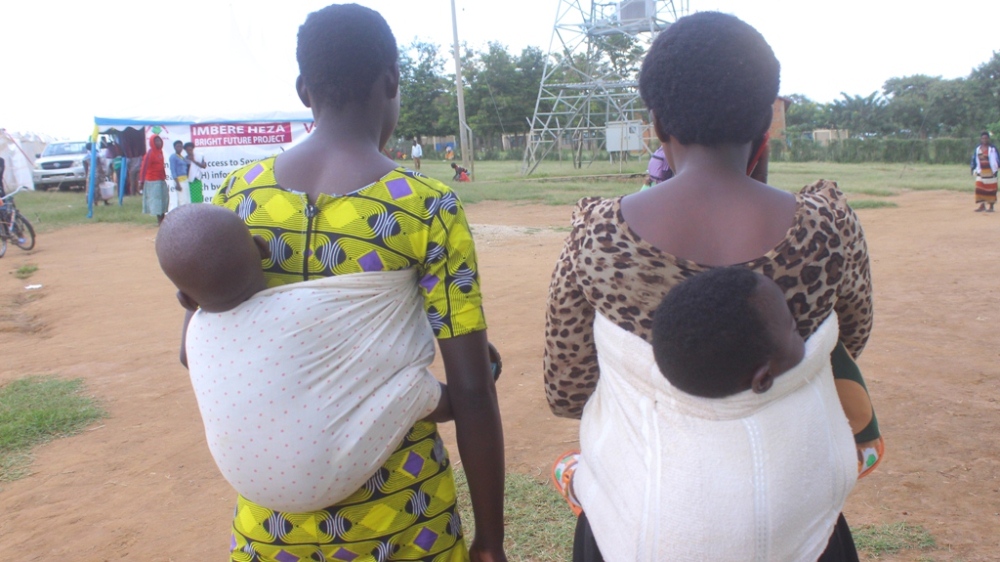
The call follows findings from the 2025 Rwanda Demographic and Health Survey (RDHS), which show that 8.1 per cent of girls aged 15–19 had been pregnant at least once, up from 5 per cent in 2020.
The survey found that 5.6 per cent of girls in this age group had given birth, while 2.3 per cent were pregnant at the time of the survey.
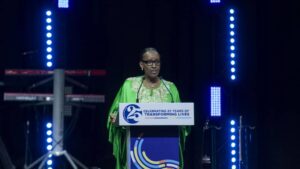
Uwababyeyi Jeannette, head of the Rwanda Parliamentary Network on Population and Development (RPRPD), said the figures were worrying and might not capture the full extent of the problem, as some adolescents undergo unsafe abortions without seeking medical care.
“Some terminate pregnancies illegally without going to health facilities, even for medical attention. Others engage in sexual activity without becoming pregnant. We need to recognise that times have changed. Young people are engaging in sex, but are they protecting themselves? Do they understand the consequences?” she said.
She made the remarks during a meeting with journalists on Friday, October 9, to discuss the media’s role in raising awareness of sexual and reproductive health services for young people and the law governing healthcare services.
The meeting sought to encourage journalists to help young people access accurate information about reproductive health, relevant laws and available services, enabling them to make informed decisions.
Beyond teenage pregnancies, the 2025 survey highlights other challenges affecting young people, including sexually transmitted infections such as HIV, gender-based violence, limited access to quality healthcare, alcohol abuse and drug use.
Umutoni Beatha, a journalist with B&B Kigali FM, said inadequate knowledge of sexual and reproductive health was contributing to these challenges.
She urged healthcare providers to make services more accessible and youth-friendly, while calling on educators to strengthen awareness campaigns and parents to discuss reproductive health openly with their children.
Abdoul Nyirimana, a journalist with Izuba TV, highlighted the need to ensure access to essential supplies, including condoms, to help young people prevent unintended pregnancies and protect their health.
Health facilities have established dedicated service points, known as youth corners, where adolescents can receive information and guidance on sexual and reproductive health. Family planning services are also available to adolescents.
Dr François Regis Cyiza, head of the Maternal and Child Health Department at the Rwanda Biomedical Centre (RBC), said adolescents could use contraceptive methods without facing specific risks simply because of their age.
“There are no particular risks associated with using these methods simply because a girl is young. Claims that using contraception means she will be unable to have children in the future are not true,” he said.
He added that contraceptive methods were available to adolescents aged 15 and above, in line with applicable guidelines.
Cyiza also said legally permitted abortion services could be provided by qualified medical professionals at health centres and private health facilities.
The number of people accessing legally permitted abortion services in Rwanda rose to nearly 3,200 in the 2025/2026 financial year, from about 2,200 in 2024/2025, an increase of 45.5 per cent.
Rwanda’s law governing healthcare services provides for access to medical care, including sexual and reproductive health services, family planning, and the prevention and treatment of sexually transmitted infections.
It also allows people aged 15 and above to access healthcare services without being accompanied by a parent or guardian.