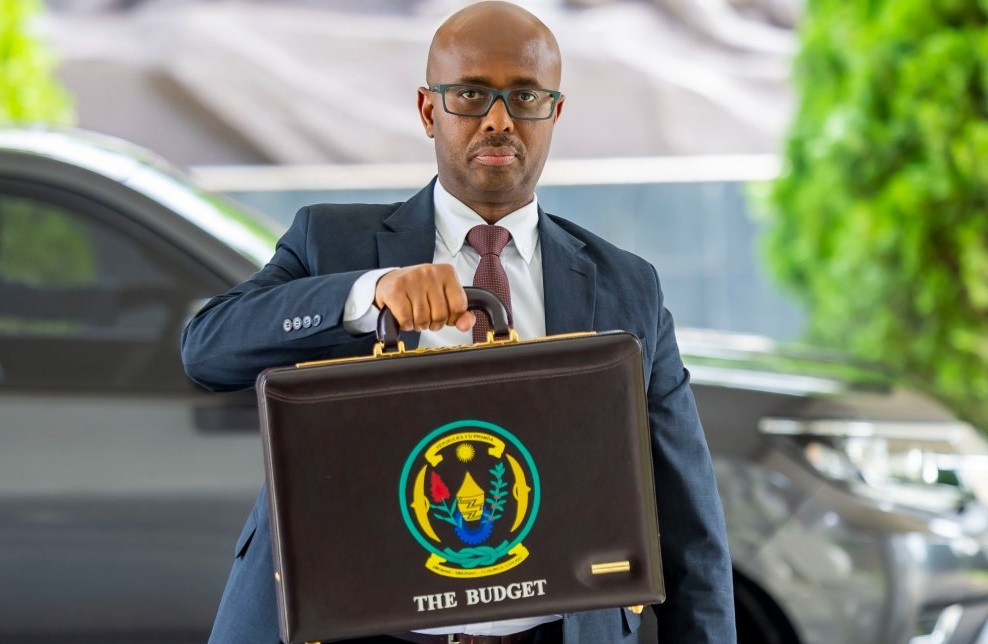
Rwanda has made progress in public participation in the national budget process, but citizens still have limited opportunities to influence how public funds are planned, allocated and monitored, according to the 2025 Open Budget Survey.
The survey, conducted by the International Budget Partnership and presented in Rwanda by Transparency International Rwanda (TI Rwanda), shows that Rwanda’s public participation score rose from 16 out of 100 in 2023 to 26 in 2025. Despite the 10-point improvement, public participation remains the weakest of the three budget accountability pillars assessed by the survey.
The assessment found that opportunities for citizens to participate are mainly available during budget formulation and implementation through the Ministry of Finance and Economic Planning (MINECOFIN) and local governments.
TI Rwanda is calling for stronger mechanisms that would allow citizens and civil society organisations to participate throughout the budget cycle, including during parliamentary review and oversight of public spending.
The organisation also wants Parliament to announce budget consultation schedules early enough to allow meaningful public input and to publish citizens’ contributions alongside information showing how their views were considered.
TI Rwanda Executive Director Appolinaire Mupiganyi said citizen involvement in decisions on public finances remains too limited.
“Citizen participation is still very low. Although Rwanda has chosen to decentralise governance, citizen involvement in budget preparation, implementation and oversight remains limited. Rwanda currently scores 26,” Mupiganyi said.
He acknowledged the improvement from 16 points in 2023 but said the country still had significant room to strengthen public participation.
Budget transparency also improves
Rwanda’s budget transparency score increased from 50 out of 100 in 2023 to 55 in 2025. However, this remains below the 61-point threshold that the Open Budget Survey considers sufficient for providing meaningful and comprehensive fiscal information to the public.
The country’s overall budget oversight score also improved, rising from 56 to 61. Audit oversight recorded a particularly strong increase, from 78 to 89, according to TI Rwanda.
The Open Budget Survey assesses countries on three areas: the transparency of budget information, opportunities for meaningful public participation, and the strength of legislative and audit oversight.
TI Rwanda says publishing budget information is not enough. Citizens also need accessible channels through which they can contribute to budget decisions, monitor implementation and receive feedback on how their views have influenced public spending.
The findings therefore point to the need for Rwanda to build on its progress in budget transparency by expanding meaningful public participation across the entire budget cycle.