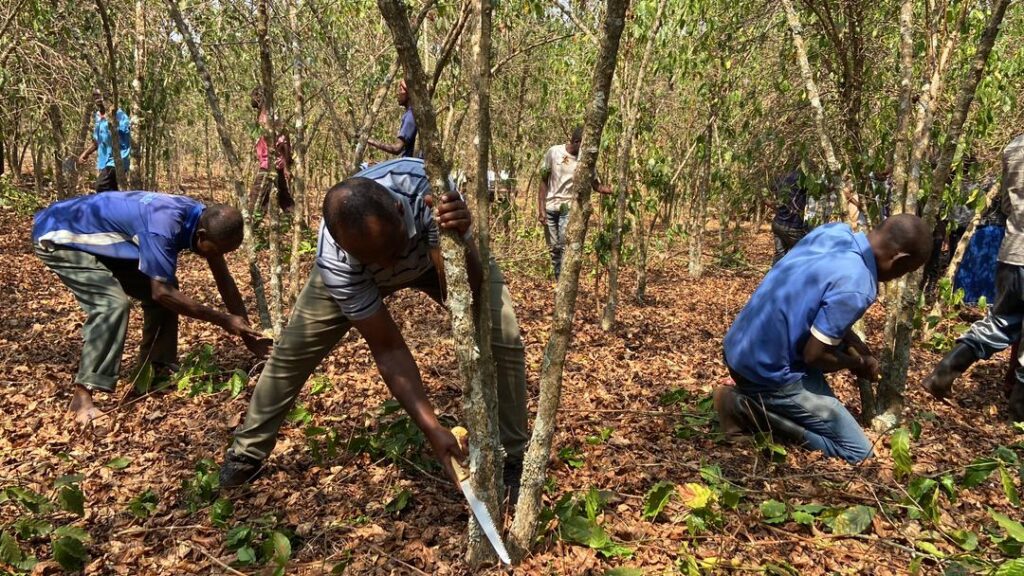
Gakenke District is rejuvenating more than three million ageing coffee trees as part of efforts to restore productivity and strengthen coffee production in the Northern Province.
The initiative, implemented in partnership with the National Agricultural Export Development Board (NAEB), targets coffee trees whose productivity has declined with age. The rejuvenation work has so far covered four hectares.
The intervention forms part of Rwanda’s broader drive to revitalise ageing coffee plantations. NAEB says nearly 30% of the country’s coffee trees are more than 30 years old, contributing to declining productivity.
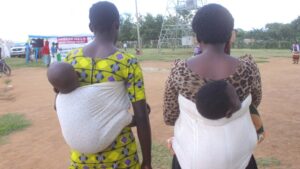
In Gakenke, more than 4,000 farmers, mainly women and young people organised in 76 coffee-growing groups, are being trained in modern coffee management practices, including timely pruning and rejuvenation.
Farmers say the training is helping them move away from traditional pruning methods that sometimes damaged trees and reduced their ability to produce new shoots.
Gakenke plans to produce more than two million coffee seedlings during the 2026/27 agricultural season to expand the area under coffee cultivation. The district has also set a target of rejuvenating more than 1,000 hectares of coffee plantations by 2029 under NST2.
At national level, NAEB reported that 2.75 million coffee seedlings were planted across 1,102 hectares during the first agricultural season of 2026. The national programme targets the replacement and rehabilitation of ageing coffee plantations as Rwanda seeks to increase production and export earnings.
Under PSTA 5, Rwanda aims to generate $160 million from coffee exports by 2029 through increased production and improved quality. NAEB says the wider coffee rejuvenation programme is expected to help significantly increase national production.