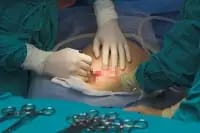
Rwanda’s Caesarean section rate reached 24% in 2025, meaning nearly one in four births were delivered through surgery, according to the latest Rwanda Demographic and Health Survey (DHS7).
The figure represents a significant increase over the past two decades, rising from 3% in 2005, according to data from the National Institute of Statistics of Rwanda (NISR).
The rate has increased steadily across successive health surveys—from 3% in 2005 to higher levels recorded in 2010, 2014–15 and 2019–20—before reaching 24% in 2025.
The increase comes as Rwanda’s health system has expanded access to maternal healthcare and strengthened the capacity of health facilities to provide specialised obstetric services, including surgical deliveries.
A Caesarean section can be essential in emergencies or when complications make vaginal delivery unsafe for the mother or baby. However, the sharp increase in the national rate is also drawing attention to the need to ensure that the procedure is performed based on medical necessity.
The World Health Organization (WHO) has previously noted that, at a population level, Caesarean-section rates above 10% are not associated with reductions in maternal and newborn mortality.
The issue, therefore, is not simply increasing or reducing the number of Caesarean deliveries, but ensuring that women who medically need the procedure receive it while avoiding unnecessary interventions.
When appropriately indicated and safely performed, Caesarean delivery can save lives and prevent serious complications associated with difficult labour.
The DHS7 findings offer updated evidence on maternal health and healthcare utilisation in Rwanda and are expected to inform government planning and efforts to improve the quality of maternal and newborn services.