The Rwanda Bar Association is calling on individuals, businesses and institutions to make greater use of mediation, arbitration and other alternative dispute resolution mechanisms before taking disputes to court.
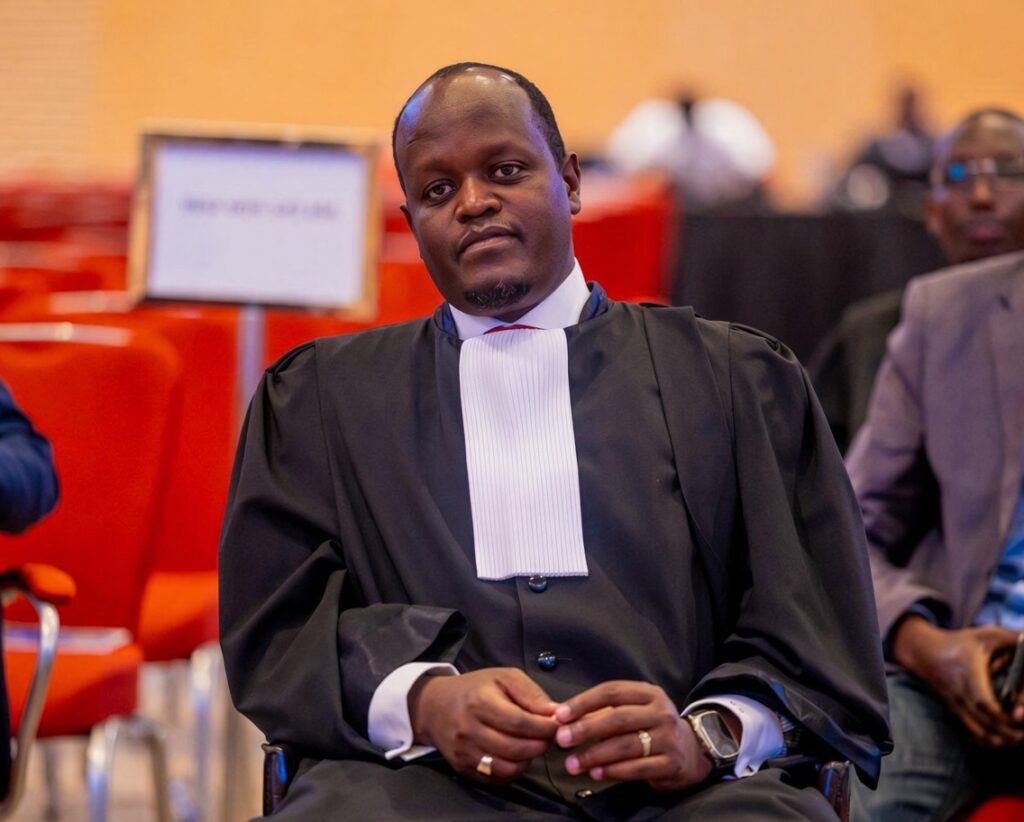
RBA President Moïse Nkundabarashi said access to the courts remains a fundamental right, but litigation should be considered a last resort where other avenues have failed.
“We cannot deny people their right to go to court because they are entitled to it. But we should go there only after all other avenues available to us have failed,” Nkundabarashi said.
He said parties should turn to court when they have a clear issue that requires judicial intervention and cannot be resolved through mediation, arbitration or other peaceful mechanisms.
“We should go to court when there is something we genuinely need from the courts and we believe they are the only ones capable of resolving the matter,” he said.
Long court battles come at a cost
Speaking to Rwanda Broadcasting Agency, Nkundabarashi warned that prolonged litigation can be costly for both individuals and businesses, consuming time and money while disrupting normal operations.
“No one benefits from spending four or five years litigating in court,” he said.
He also rejected the perception that lawyers benefit when cases take years to conclude.
“Some people think lawyers are the ones who benefit from this, but they do not,” he said.
Nkundabarashi argued that resolving disputes early through mediation or arbitration can help parties avoid the financial and operational costs associated with lengthy court battles while preserving relationships, particularly in the business sector.
The Rwanda Bar Association has been running an awareness campaign promoting mediation and arbitration for about four years. Nkundabarashi said the initiative has helped change attitudes among businesses, including banks and insurance companies.
He said more companies are beginning to recognise that prolonged disputes can interfere with their core operations and that resolving disagreements outside court can allow businesses to continue operating while protecting commercial relationships.
The push is also in line with broader efforts by Rwanda’s justice sector to expand the use of alternative dispute resolution.
The Judiciary has continued to promote mediation as a way of resolving disputes more quickly and efficiently. Its website currently highlights mediation as one of the mechanisms for resolving disputes through dialogue and agreement between the parties. Judiciary Rwanda
The Ministry of Justice has also been supporting alternative dispute resolution initiatives, including specialised ADR programmes and awareness activities conducted with development partners. Minijust Rwanda
Cases resolved through alternative mechanisms rise
At the opening of the 2026/2027 judicial year, Supreme Court President Domitille Mukantaganzwa said the Judiciary had strengthened efforts to encourage parties to use restorative justice mechanisms whenever possible.
According to figures cited by the Judiciary, 19,888 cases were resolved through such mechanisms during the 2025/2026 judicial year, up from 15,012 cases in the previous year.
The increase highlights the growing role of mechanisms that allow parties to settle disputes without going through full court proceedings.
Mediation brings disputing parties together with the assistance of a neutral third party to help them reach an agreement. Arbitration provides another alternative process through which parties can have their dispute determined outside ordinary court proceedings.
For the Bar Association, expanding the use of these mechanisms is not about keeping people away from the courts. Rather, it is about ensuring that disputes that can be settled through dialogue are resolved quickly, while matters requiring judicial intervention are left to the courts.
The approach could ultimately help reduce the burden on courts, lower the cost of resolving disputes and enable individuals and businesses to return to their normal activities sooner.