Rwanda’s annual consumer price inflation accelerated to 15.9% in August 2026, up from 13.8% in July, as the cost of food, transport, housing and energy continued to rise, according to the National Institute of Statistics of Rwanda (NISR).
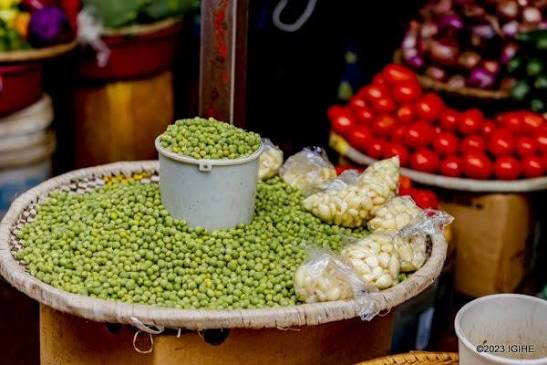
Food and non-alcoholic beverages were among the main drivers, with prices increasing by 16.7% compared with August 2025.
Housing, water, electricity, gas and other fuels rose by 19.9%, while transport costs increased by 27.5%. Prices for restaurants and accommodation services were up 13.7%.
On a monthly basis, consumer prices increased by 2.6% in August, driven largely by a 4.6% rise in food and non-alcoholic beverage prices.
Urban prices
In urban areas, annual inflation reached 15.7% in August, compared with 14.5% in July.
Food and non-alcoholic beverage prices rose by 16.3%, while housing, water, electricity, gas and other fuels increased by 20.4%.
Transport costs climbed by 24.2%, while prices for restaurants and accommodation services increased by 15.6%.
Urban prices rose by 1.8% month-on-month, while inflation excluding food and energy stood at 11.5% year-on-year.
Rural prices
Rural areas recorded slightly higher annual inflation of 16%, up from 13.3% in July.
Food and non-alcoholic beverages increased by 16.8%, while housing, water, electricity, gas and other fuels rose by 19.4%.
Transport recorded one of the sharpest increases, with prices rising by 38.8% compared with a year earlier. Alcoholic beverages and tobacco increased by 7.5%.
Rural consumer prices rose by 3.1% month-on-month, with food and non-alcoholic beverages increasing by 5%.
The latest figures show that rising food, transport and household energy costs continue to exert significant pressure on consumer prices across both urban and rural Rwanda.