Huye District expects to create 41,750 new jobs by 2029 by investing in opportunities across sectors including education, tourism, agriculture—particularly coffee—sports and entertainment, manufacturing and trade.
The target was highlighted during the Huye Investment Forum held in Huye on September 30, 2026.
The forum, organised jointly by Huye District and the Rwanda Development Board (RDB), brought together investors and private-sector representatives to explore investment opportunities in the district, discuss how they can be developed and identify challenges facing investors.
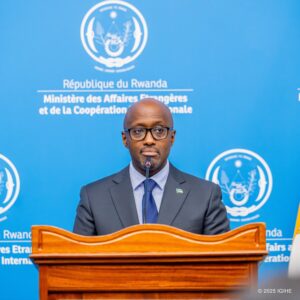
RDB Chief Executive Officer Jean-Guy Afurika told participants that simply identifying investment opportunities is not enough and that greater focus should be placed on turning them into viable projects while also supporting existing businesses to expand.
“Our goal is not simply to talk about the opportunities available, but to look together at how they can be turned into concrete projects. Investment development is not only about attracting new investors; it must also help those already operating here to grow, expand their businesses, add value and reach new markets,” he said.
Huye Mayor Ange Sebutege said the investment forum provided an opportunity to showcase the district’s unique potential, particularly in tourism, education and culture, coffee farming and manufacturing.
Education creates investment opportunities
Huye is considered an education hub, hosting four higher learning institutions and universities with more than 18,000 students, alongside 141 schools and 20 technical and vocational education and training institutions.
District officials said the large student and workforce population creates demand for services such as accommodation and hospitality, while the concentration of students and researchers provides opportunities for research and skills development that can support industry.
Investors were encouraged to consider developing accommodation for students and workers, with the University of Rwanda committed to facilitating access to land for such projects.
Agriculture led by coffee
Coffee is among Huye’s key agricultural investment opportunities. The district is home to areas such as Maraba, known for coffee production, which supports jobs and contributes to the livelihoods of many residents.
Participants called for increased investment in coffee processing and expansion of the land under coffee cultivation. They also highlighted the potential for developing coffee tourism, allowing visitors to tour production areas while generating foreign exchange.
More than 74,000 households in Huye are engaged in farming coffee, cassava, maize and other crops across about 34,000 hectares.
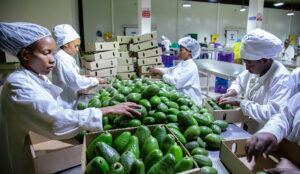
Avocado was also identified as another crop with investment potential, with investors encouraged to establish processing facilities to add value to the produce.
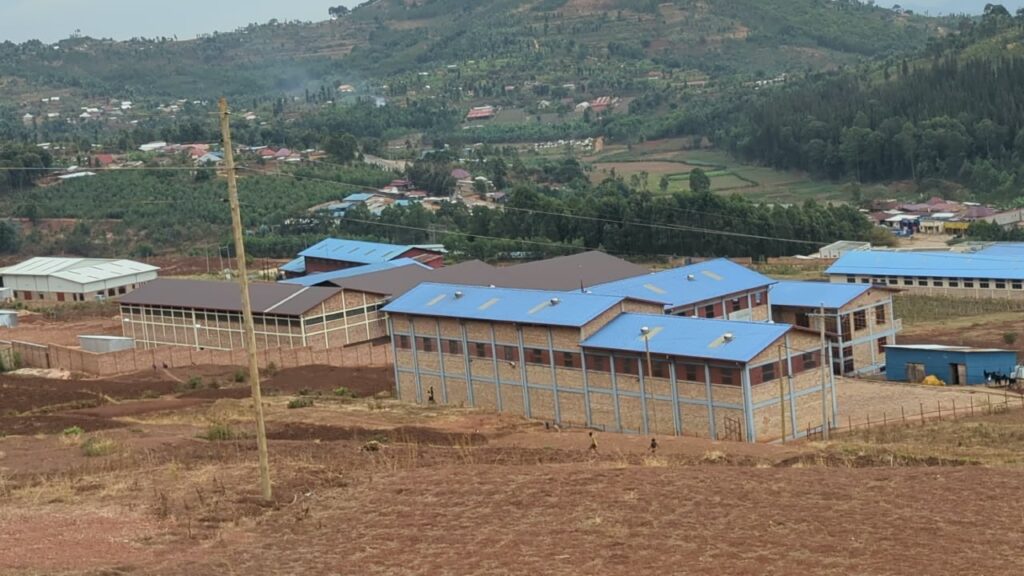
Huye has an industrial park in Sovu covering 263 hectares, which has so far attracted 11 investors. Investors were encouraged to establish factories that process agricultural produce from the district as well as other industries that can contribute to economic growth.
Tourism, sports and entertainment
Culture-based tourism was also identified as an area requiring further investment. Participants proposed developing cultural sites and attractions so that visitors can spend more time in Huye and contribute more to the local economy.
Potential sites include the Ethnographic Museum, Huye’s caves and royal residences.
Huye is also considered one of Rwanda’s secondary cities and hosts major sporting and entertainment activities, supported by facilities including Huye International Stadium.
Investors were encouraged to develop additional hospitality infrastructure, including at least one five-star hotel, as the district currently has a four-star hotel.
Local businesses were urged to take advantage of investment opportunities within the district, while RDB pledged support to investors seeking to turn their proposals into viable projects and to facilitate requests to use public land.
The push to attract new investment and make better use of opportunities across districts is part of Rwanda’s National Strategy for Transformation 2 (NST2), which targets an increase in private-sector investment from $2.2 billion in 2024 to $4.6 billion by 2029.
In 2025, Rwanda registered investments worth $2.6 billion across 799 projects.