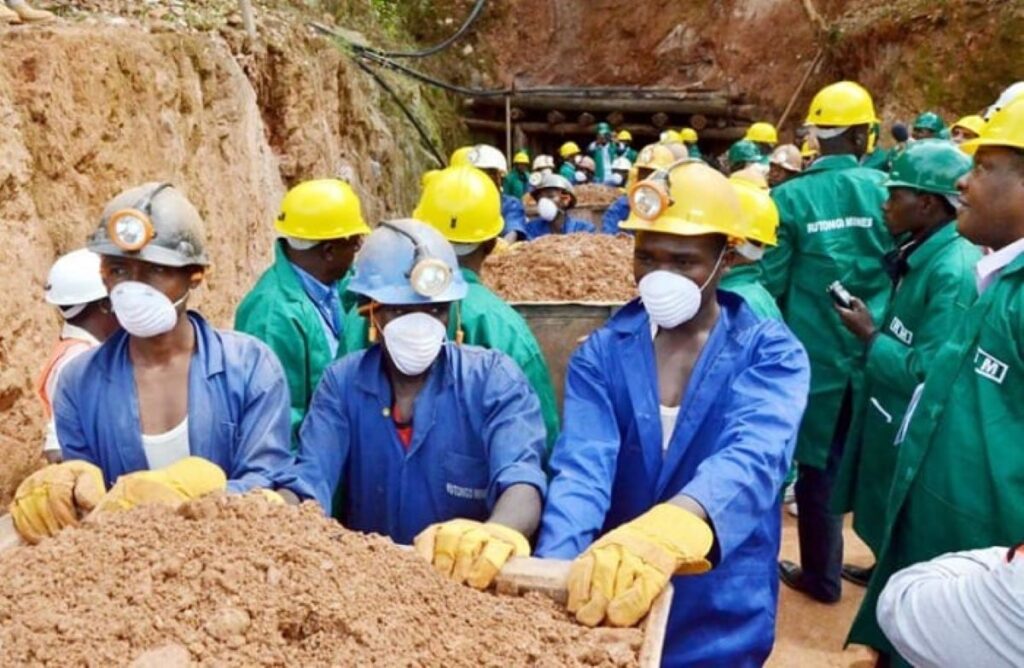
Rwanda is exploring a weather-based insurance scheme that would help mining workers and companies cope with losses caused by heavy rainfall that can disrupt mineral extraction activities.
The proposed insurance, known as parametric insurance, would rely on predefined weather conditions rather than requiring beneficiaries to file claims and provide evidence of the losses they suffered.
The mining sector employs more than 92,000 people. Heavy rains and flooding can force mining operations to suspend activities, leaving workers without the income they normally earn.
Under the proposed scheme, rainfall levels would be monitored, and if rainfall exceeds an agreed threshold over a specified number of consecutive days in an area where a mining operation is located, the condition would automatically trigger an insurance payout.
Rainfall data would be provided by the Rwanda Meteorology Agency (Meteo Rwanda) and verified against satellite-based information.
Once the agreed rainfall threshold is reached, every worker enrolled in the scheme would receive a predetermined payment without having to prove that they personally suffered a loss as a result of the rain.
The proposed payout would range from Rwf15,000 to Rwf25,000 and would be sent through mobile money, banks or SACCOs within a period of no more than two weeks.
Insurance premiums could be paid by workers, mining companies and cooperatives, while the Government could also contribute to the scheme.
The Ministry of Finance and Economic Planning (MINECOFIN) is expected to oversee the programme, while the Rwanda Mines, Petroleum and Gas Board (RMB) would support its implementation. The National Bank of Rwanda would be involved in developing the regulatory framework.
The scheme will first be piloted, with rainfall data and thresholds assessed before it is rolled out more widely. The insurance could initially cover the main rainy season between March and May, with plans to consider extending it to the September-December rainy period.
The initiative is expected to provide mining workers with financial support when rain forces operations to stop, helping them maintain their livelihoods while strengthening the mining sector’s resilience to the effects of climate change.