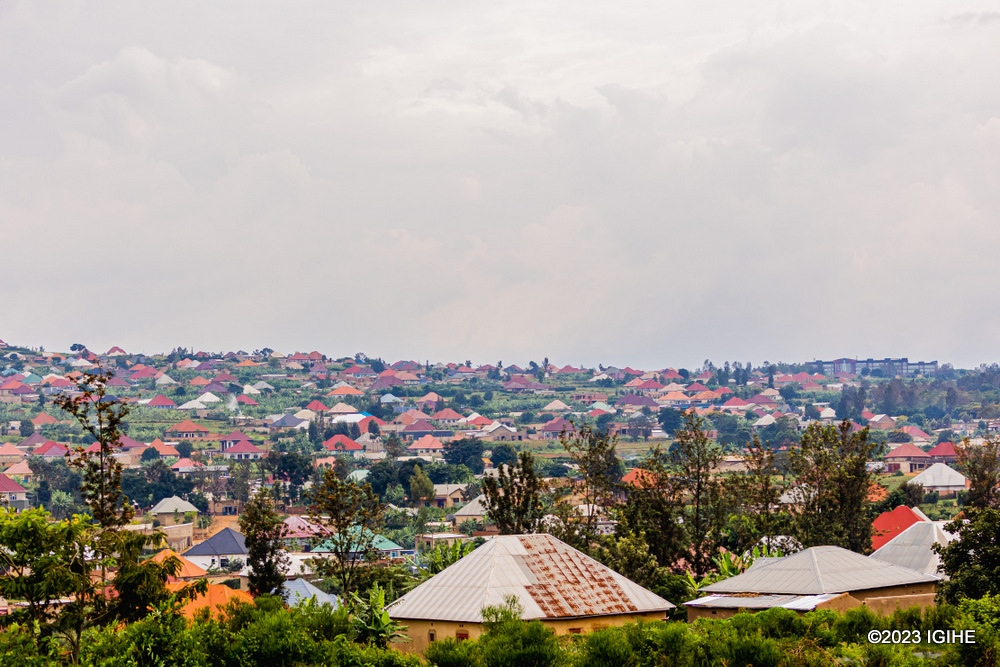
As apartment buildings continue to spring up in Kigali and other parts of Rwanda, many middle-income earners say buying or renting a unit remains beyond their means.
The situation highlights a widening gap between the housing being developed and what many people can afford, particularly public- and private-sector employees whose salaries do not place them among high-income earners.
One Kigali resident, who earns more than Rwf1 million a month, said the cost of buying or renting an apartment remained prohibitive.
“Even though I earn more than Rwf1 million a month, I cannot easily afford to buy or rent one. Building such a home would be even further out of reach,” the resident said.
Other residents have called for financing options to make housing more affordable, including easier access to bank loans.
Figures from the National Institute of Statistics of Rwanda show that at least three in 10 Rwandans live in urban areas, increasing demand for housing.
Rwanda needs about 30,000 new housing units annually, with 75 per cent intended for middle-income households. However, only about 3,000 units are built each year for this group, leaving a substantial gap between demand and supply.
Despite the affordability concerns, developers say demand for apartments remains strong.
Titian Bwiza Happy, a sales official at Green Plaza, said some units in the development had already been purchased by Rwandans and foreign buyers.
“About 20 to 25 apartments in this building have been bought by Rwandans, while others are being purchased by foreigners, including Chinese, Nigerians, Americans and people from other countries,” she said.
Data compiled by Numbeo in June 2026 put the average price of an apartment in central Kigali at about Rwf4.096 million per square metre, compared with approximately Rwf4.5 million outside the city centre.
Kigali ranked third among 10 African cities where housing is least affordable, according to the report. Addis Ababa, Ethiopia, ranked first, placing 202nd globally, while Cape Town, South Africa, ranked second in Africa and 218th worldwide.
The figures suggest that buying residential property in Kigali is relatively expensive compared with cities such as Nairobi, Kenya, and Kampala, Uganda.
The 2022 Population and Housing Census put Kigali’s population at 1.7 million. The city’s population is projected to reach 3.8 million by 2050.
Nationally, the proportion of people living in urban areas is projected to rise from 27.9 per cent in 2022 to 52 per cent by 2035 and 70 per cent by 2050, adding to pressure on housing supply.
More supply seen as key to affordability
Some analysts argue that increasing the number of homes on the market could help ease prices by intensifying competition among developers.
George Dinga Tafon, an investor with Next Generation Developers, said expanding housing supply could bring down both residential and commercial property prices.
“We need to increase the number of homes available on the market. When more housing is supplied, prices for residential and commercial properties gradually come down,” he said.
Others have called for regulations to protect buyers from excessive profit margins on housing.
Nkurunziza Joseph Ryarasa, a civil society leader, said there should be mechanisms to monitor profits charged on housing to prevent buyers from being disadvantaged.
The shortage of affordable homes has pushed some workers to live far from their workplaces, increasing transport costs and making it harder to arrive at work on time. The situation has also raised concerns about the gap between workers’ salaries and prevailing housing prices.
President Paul Kagame has said Rwanda has spent the past 15 years working to address high housing costs, but acknowledged that more needs to be done.
As the country develops and people’s living standards change, he said, the government must continue seeking solutions to housing challenges.
“The country is growing, and as it grows, it continues to address the challenges people face. Someone may struggle to find a home today, but a year later they may have made progress and resolved that problem,” Kagame said.
He acknowledged that housing affordability was a complex challenge, stressing the need to keep working towards solutions while advancing national development.
The construction sector, covering residential and commercial buildings, accounts for 16 per cent of Rwanda’s gross domestic product.
Rwanda is projected to need 5.5 million housing units by 2050, underscoring the importance of expanding the supply of affordable homes as the population grows and urbanisation accelerates.