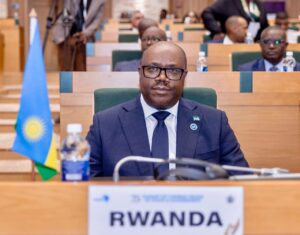
Rwanda has urged the United Nations to ensure that the closure of the International Residual Mechanism for Criminal Tribunals (IRMCT) does not undermine efforts to bring genocide suspects to justice, saying more than 1,000 people suspected of involvement in the 1994 Genocide against the Tutsi remain at large worldwide.
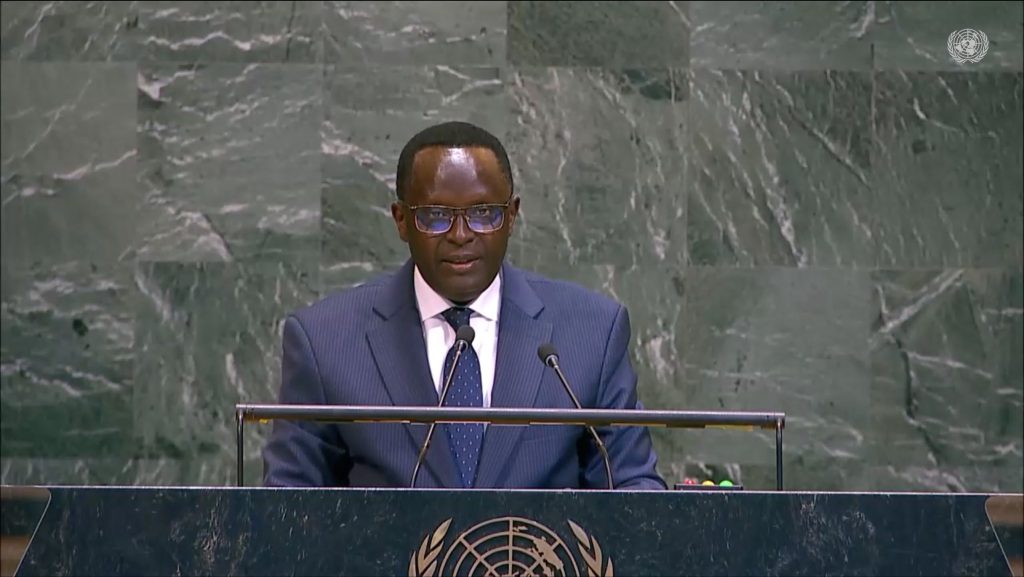
Rwanda’s Permanent Representative to the UN, Ambassador Martin Ngoga, raised the concern during a UN General Assembly session in New York on Wednesday, October 21, 2026. He called for the archives of the International Criminal Tribunal for Rwanda (ICTR) to be transferred to Rwanda as the residual mechanism prepares to conclude its work.
The archives contain survivors’ testimonies, evidence and court records from genocide trials. Ngoga said preserving them is vital for documenting history, educating future generations, supporting the pursuit of justice and preventing similar atrocities.
He argued that the decision on where the records should be permanently kept should go beyond administrative considerations and take into account their historical importance and the need for affected communities to access them.
Rwanda, he said, is prepared to take responsibility for the archives, having invested in facilities, expertise in preservation and digitisation, and legal and security systems to protect the material.
Ngoga also called for renewed efforts to locate and prosecute more than 1,000 people suspected of taking part in the genocide who have not yet been brought before a court.
He reaffirmed Rwanda’s willingness to receive people convicted by the tribunal so they can serve their sentences in the country in line with domestic law and international standards.
The ambassador thanked countries that have transferred genocide suspects to Rwanda or prosecuted them in their own courts. He urged others to act on outstanding court decisions and extradition requests and to cooperate more closely with Rwanda’s justice institutions.