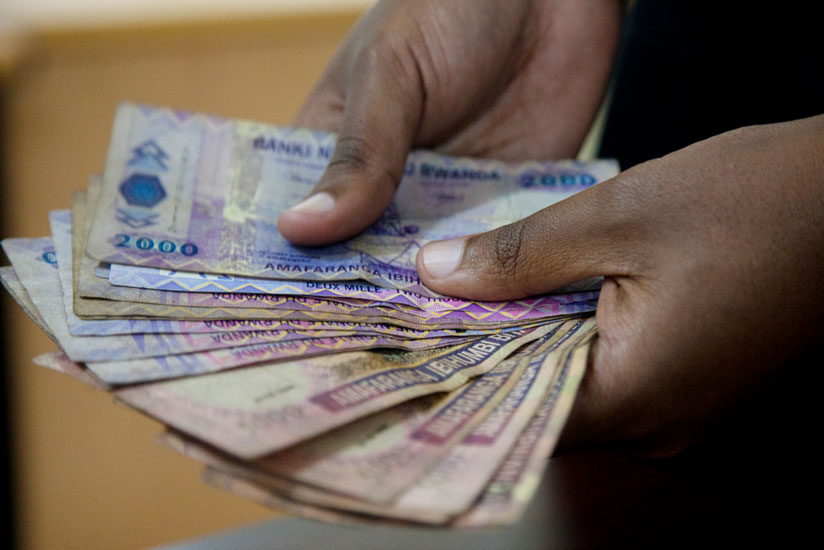
Rwanda has more than 70,000 savings and lending groups across the country, but only about 15,000 have been formally registered, according to the Ministry of Finance and Economic Planning.
The figures highlight the need to strengthen the culture of saving and improve the formalisation of community-based savings groups, which have become an important source of financial support and economic empowerment for many Rwandans.
The Presbyterian Church of Rwanda (ADEPR) says the practice of saving is gaining ground among its members. It has established more than 11,000 savings groups nationwide, holding combined savings of over Rwf3 billion.
Some members say participation in the groups has helped them grow businesses, create employment and improve their livelihoods.
Murekezi Anastase is among those who have benefited. He said he started out transporting bananas as a porter but gradually built up his savings and accessed loans through his group, enabling him to venture into mining. He now employs more than 270 people.
“I started as someone who carried bananas for a living. Through the small amounts I saved in the group, I was also able to borrow money, rent a mining site and become an entrepreneur. I now have more than 270 employees,” he said.
ADEPR Presiding Bishop in Rwanda, Pastor Isaie Ndayizeye, said the church continues to encourage its members to save so they can move from small-scale activities to larger investments.
He said saving can begin with very small amounts but, when practised consistently, can help individuals start businesses, expand their activities and eventually employ others.
“We have seen people start by saving Rwf100. They continue working and saving until they accumulate Rwf10,000, then eventually start their own businesses and employ other people,” he said.
Ndayizeye added that the church wants savings groups to grow beyond their current small-scale activities, develop larger projects and establish partnerships with financial institutions, including banks.
Faustin Mutabazi, a financial policy expert at the Ministry of Finance and Economic Planning, said that despite the progress made, more efforts are needed to encourage Rwandans to save and use formal channels to safeguard their money.
He pointed to the EJO HEZA long-term savings scheme as one of the government’s initiatives designed to help citizens save for retirement and avoid financial dependence on their families or the state in old age.
“We encourage citizens to maintain a culture of saving. The government has introduced several savings initiatives, including the EJO HEZA programme, which helps people save for retirement. We do not want people to grow old and become a burden on the government or their children,” he said.
Mutabazi also urged citizens to use regulated financial institutions, including banks and sector-level SACCOs, while continuing to participate in savings and lending groups. He said such groups could also help members connect with formal financial institutions and expand their businesses.
He stressed that saving benefits not only individuals but also contributes to the country’s broader economic development.
The figures point to the growing role of community savings groups in Rwanda’s economy, while highlighting the need to increase their formal registration and strengthen their capacity to support members’ financial growth.