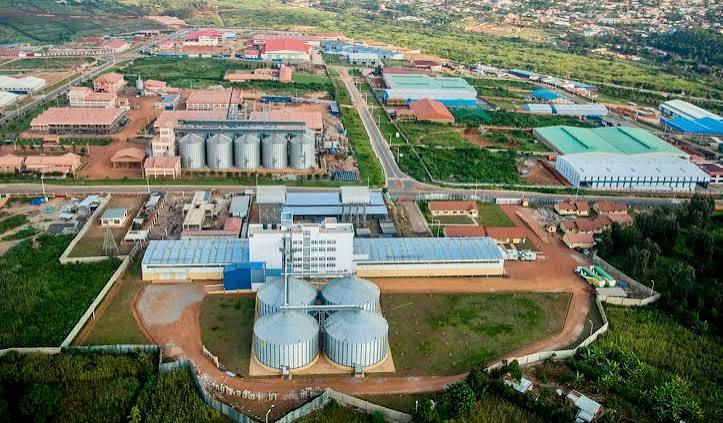
A total of 436 government assets valued at RWF 8.26 billion, held by 44 public institutions, are not being put to productive use, according to the Senate Committee on Economy and Finance.
The issue was highlighted on Wednesday, November 4, 2026, when the committee presented its analysis of the Auditor General’s report for the financial year ended June 30, 2025, to the Senate plenary.
Senators said leaving public assets worth billions of francs idle was among the concerns that needed attention to improve the management of government resources.
They also highlighted other persistent challenges, including delays in project implementation, failure to properly execute project contracts, late compensation payments to people whose property is acquired for public projects, and delays in delivering essential services and supplies such as water, electricity, medicines and agricultural and education materials.
The Chairperson of the Senate Committee on Economy and Finance, Senator Fulgence Nsengiyumva, acknowledged progress in public financial management but said several issues still required close follow-up.
He noted that expenditure incurred without supporting documentation had fallen from RWF 229 million in 2021 to RWF 39 million in the 2024/2025 audit report.
Wasteful expenditure had also dropped by 75 per cent to RWF 474 million, while payments exceeding the amounts contractually due stood at RWF 86 million.
Despite the improvements, Nsengiyumva said excess payments remained a sign of weaknesses in the management of public finances.
Among the resolutions adopted after reviewing the report, the Senate plenary agreed that its standing committees should monitor the implementation of the Auditor General’s recommendations and investigate why some irregularities continue to recur across public institutions.
Nsengiyumva said Parliament should go beyond receiving audit reports that identify shortcomings and take steps to establish why the problems have not been addressed.
“As Parliament, we have a responsibility to follow up and ask why a particular issue has not been resolved, even after the Auditor General recommended that it should be addressed. We should investigate why it remains unresolved when a project has been designed, planned and given an implementation timeline. Why has it not been implemented?” he said.
Senator Sosthène Cyitatire also observed that many of the issues raised in audit reports were similar to those identified by Senate committees during their oversight activities. He called for stronger follow-up and lasting solutions.
The Auditor General’s report for the 2024/2025 financial year covered 252 public entities, up from 206 audited in 2020/2021.
The institutions audited included government ministries, commercial and non-commercial public entities, government projects, districts and the City of Kigali.
The Senate said it would continue monitoring the issues identified in the report to improve the management of public finances and assets and ensure that projects and services intended for citizens are delivered as planned.