Rwandans continue to face challenges accessing services from local government institutions, including delays in resolving complaints, being sent from one office to another and uncertainty about where to seek assistance. These challenges have contributed to a decline in public satisfaction with service delivery.
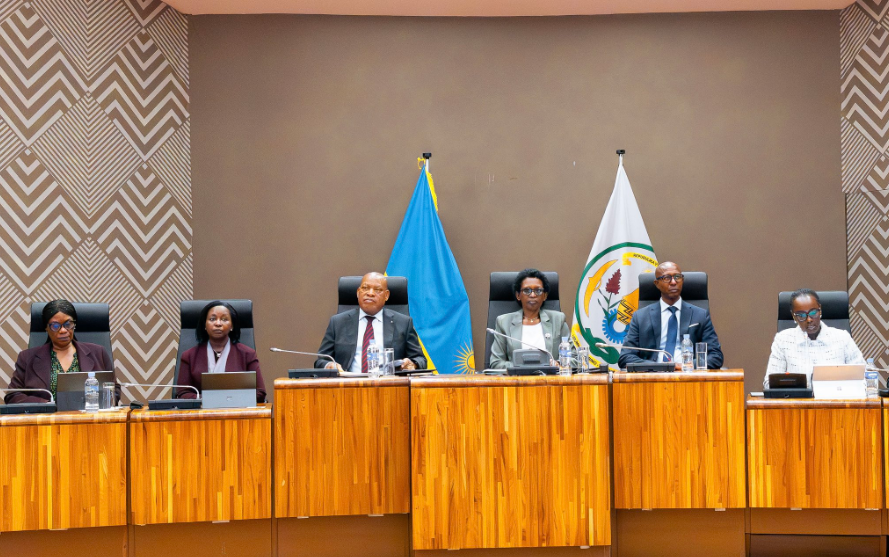
The Director General of the Rwanda Governance Board (RGB), Dr Doris Uwicyeza Picard, highlighted the concerns while presenting the institution’s 2025/2026 performance report and plans for 2026/2027 to a joint sitting of Parliament on November 11, 2026.
The challenges are reflected in the 2026 Citizen Report Card (CRC), which shows that public satisfaction with governance and service delivery declined from 76.7% in 2025 to 73.8% in 2026, a drop of 2.9 percentage points.
Among the 16 areas assessed, security ranked highest at 91.5%, followed by adherence to good governance principles and trust in public institutions at 88.8%. Citizen participation in decisions and activities affecting them scored 86.5%.
Agriculture ranked lowest, with a score of 62%, down from 70.6% the previous year. Satisfaction with health services also fell by 7.5 percentage points, from 72.4% to 64.9%.
The 13th edition of RGB’s Rwanda Governance Scorecard (RGS) also showed a decline in service delivery performance, with the pillar scoring 68.48%, compared with 71.73% in the previous year. It was the lowest-performing of the eight governance pillars assessed.
RGB outlines factors behind public dissatisfaction
MP Christine Mukabunani asked why service delivery by decentralised institutions was not improving as expected, despite continued declines in the ratings given to them by citizens.
Responding to lawmakers’ concerns, Dr Uwicyeza explained that the Citizen Report Card was not simply intended to rank institutions but also to identify shortcomings that need to be addressed.
She pointed to several persistent challenges, including delays in resolving citizens’ complaints, people being sent between offices when seeking services, and a lack of clear information about which institution is responsible for providing particular services.
She said these problems showed that more work was needed to improve the performance of decentralised institutions and ensure that citizens’ concerns were addressed effectively.
Explaining how the findings should be used, Uwicyeza said the report provides information that enables each institution to identify its weaknesses and take appropriate measures to improve service delivery.
She stressed that citizens’ feedback should inform decision-making and improvements in public services, rather than institutions simply preparing reports without taking action.
The findings highlight persistent challenges in service delivery, particularly at local government level, as Rwanda seeks to improve governance and the well-being of its citizens.
Compared with the government’s target of raising service delivery satisfaction to at least 90% by 2029, the country still has considerable ground to cover. Achieving this goal will require addressing existing shortcomings and strengthening efforts to improve the services provided to the public.