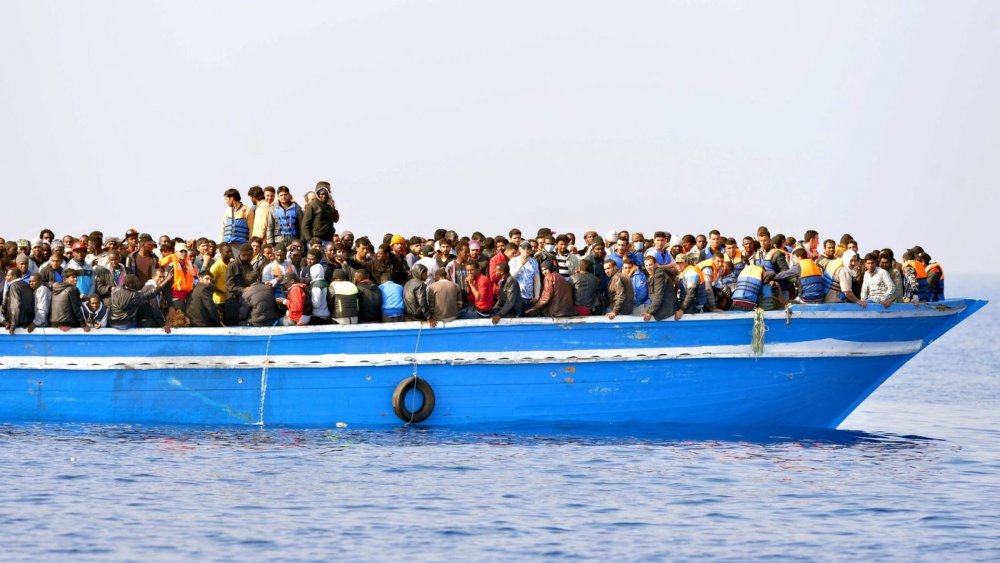
Five European countries are preparing to announce agreements to transfer migrants to Rwanda after their asylum applications have been rejected and they have exhausted all legal avenues to remain in those countries.
The countries involved are Germany, Austria, Greece, Denmark and the Netherlands, according to a Reuters report published on November 16, 2026.
Reuters cited two people familiar with the arrangements as saying the agreements are expected to be announced on Monday during a meeting in Vienna, Austria.
In September 2026, the five countries announced that they were in discussions to reach an agreement with a country outside the European Union (EU) to establish centres where migrants who have been denied the right to remain in Europe would be transferred.
The initiative follows the EU’s adoption of new rules governing the return of migrants to their countries of origin or other destinations where they are permitted to stay. The rules are intended to speed up deportations and allow EU member states to establish centres for migrants outside the bloc.
The arrangement forms part of broader efforts by European countries to reduce irregular migration into the continent and increase the number of migrants returned to their countries of origin.
The new initiative involving the five countries differs from the UK’s previous plan to send migrants to Rwanda, which was eventually abandoned.
Under the British plan, Rwanda would have received migrants whose asylum applications were still being processed. The new arrangement, however, targets only those who have exhausted all legal procedures and been denied permission to remain in Europe.
Concerns over protection of migrants’ rights
Although officials from the five countries have maintained that the initiative will comply with EU laws and international agreements, human rights organisations remain concerned about the protection of migrants transferred to countries with which they have no previous ties.
Céline Mias, Head of the Danish Refugee Council’s EU Representation, questioned what safeguards would be available to migrants if their rights were violated and who would be held accountable.
“What recourse will people have if their rights are violated, and who will be held accountable? If responsibility remains with the European country that transferred them, how will that work in practice?” she asked.
In July 2026, the Council of Europe, a pan-European organisation dedicated to promoting human rights, warned that such arrangements involving the transfer of migrants to centres outside the EU could raise serious human rights concerns.
On the other hand, officials backing the initiative argue that its main objective is not necessarily to transfer large numbers of migrants but to discourage people from attempting to enter Europe illegally.
They argue that migrants who spend thousands of euros paying smugglers to facilitate their irregular journeys could be discouraged from making the trip if they risk being transferred to another country immediately after reaching Europe.
However, critics of the initiative say there is insufficient evidence that tougher migration controls and the transfer of migrants to third countries lead to a sustained reduction in migration over the long term.
Rwanda signals readiness to receive migrants from Western countries
Rwanda has repeatedly expressed willingness to receive migrants whom Western countries no longer wish to accommodate, although such arrangements have often sparked international debate.
President Paul Kagame has received recognition from leaders in the West and Africa for Rwanda’s role in ending the 1994 Genocide against the Tutsi and rebuilding the country into a destination for investment and international cooperation.
If implemented, the new arrangement would mark another step in Rwanda’s cooperation with European countries on migration management. However, it is also likely to raise further questions about the rights of migrants transferred to Rwanda and the responsibilities of the countries sending them.