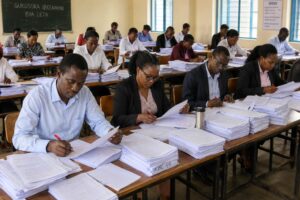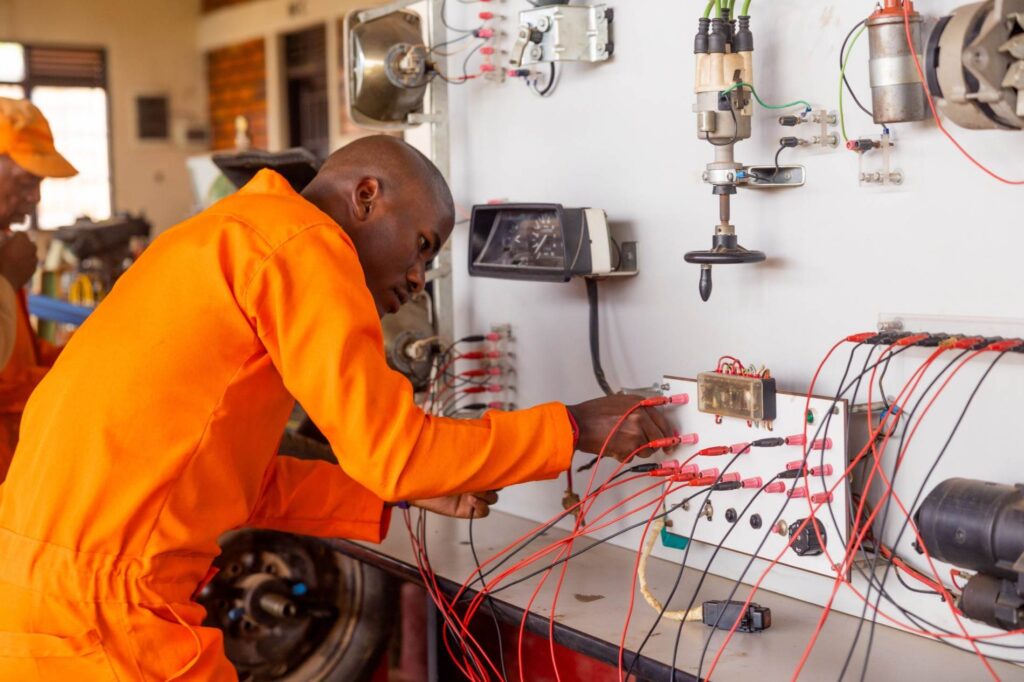
The Rwanda Correctional Service (RCS) has announced that 4,340 inmates have completed vocational and technical training courses since the programme was introduced in 2020, as part of efforts to prepare them for reintegration into society with practical skills to support their livelihoods.
In a statement issued on November 19, 2026, RCS said 600 inmates from 13 correctional facilities completed vocational training during the 2025/2026 academic year.
The courses covered various trades, including tailoring, carpentry, mechanics, agriculture and livestock farming, information technology, beauty therapy and hairdressing, as well as handicrafts.
The training is designed to equip inmates with practical skills that can help them start businesses, secure employment and become self-reliant after serving their sentences. It is also intended to enable them to support their families and contribute to national development.
Beyond vocational training, RCS also prioritises civic education, counselling and other programmes aimed at helping inmates change their behaviour and prepare for their eventual return to society.
At Nyagatare Juvenile Rehabilitation Centre, general education and vocational training programmes are also ongoing, giving detained children opportunities to continue their primary and secondary education while acquiring practical skills for life after completing their sentences.
Figures from 2025 show that the facility housed 395 children, including 16 girls. They receive both academic and vocational training in areas such as tailoring, carpentry, welding, beauty therapy and hairdressing.
During the 2025/2026 national examinations, 11 children sat their primary school leaving examinations, 10 took the lower secondary examinations, while six sat the upper secondary examinations.
During a visit to assess educational activities at the facility in November 2025, the State Minister for Education, Irere Claudette, said that children should not be denied their right to education because of crimes they had committed, noting that they were still young and needed rehabilitation and care.
She emphasised that the government would continue supporting them to ensure they return to their families and communities with the knowledge and values needed to lead productive lives. She also called on parents to continue supporting the children when they return home.
Across Rwanda, correctional facilities continue to expand educational programmes, vocational training and income-generating activities to keep inmates engaged, reduce isolation and equip them with skills they can use after serving their sentences.
The initiatives are intended to help former inmates become self-reliant and reintegrate into society as productive members of their communities.