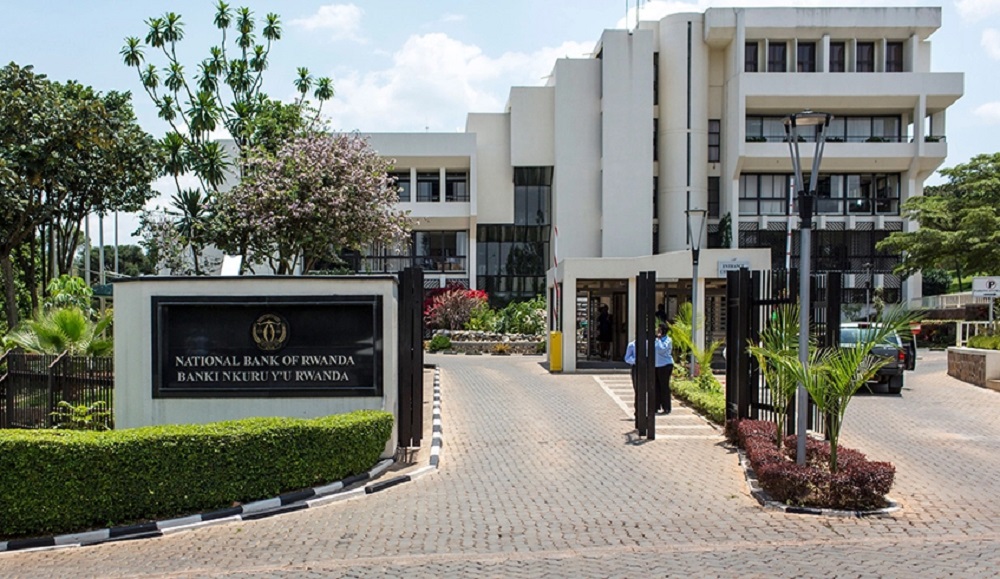
The National Bank of Rwanda (BNR) has raised its benchmark interest rate to 9.5% in the third quarter of 2026, up from 8.75% in the second quarter, as it moves to contain mounting inflationary pressures.
BNR Governor Soraya Hakuziyaremye announced the decision on Thursday, November 26, 2026, while presenting resolutions of the Monetary Policy and Financial Stability Committee.
The latest increase marks the first time since 2009 that Rwanda’s benchmark interest rate has exceeded 9%.
The committee said the 0.75 percentage-point increase, from 8.75% to 9.5%, is intended to help bring inflation back within the central bank’s target range.
BNR said the decision was driven by accelerating inflation, largely fuelled by a sharp rise in petroleum product prices linked to the conflict in Iran and declining agricultural output.
Inflation rose from 9.1% in the first quarter of 2026 to 13.2% in the second quarter, reaching 14.5% in July.
It climbed further to 15.8% in the third quarter, largely due to rising prices of perishable food products.
Inflation in perishable food items surged from 7.3% to 21.7%, driven mainly by higher prices of meat, fruits and vegetables.
The central bank now projects average inflation of 14.4% for 2026, up from its August forecast of 13.1%.
However, BNR expects inflation to ease in 2027 and return to its target range.
Interbank lending rates remain close to the benchmark rate
Interest rates on loans between commercial banks increased from 5.85% in the third quarter of 2025 to 8.44% in the same period of 2026.
The increase reflects successive adjustments to the benchmark interest rate introduced since August 2025.
Other lending and deposit rates have also started rising, with the impact particularly visible in interest paid on bank deposits.
The average interest rate on bank deposits increased from 8.66% in 2025 to 9.83%, while lending rates rose from 15.78% to 15.87% in the third quarter of 2026.