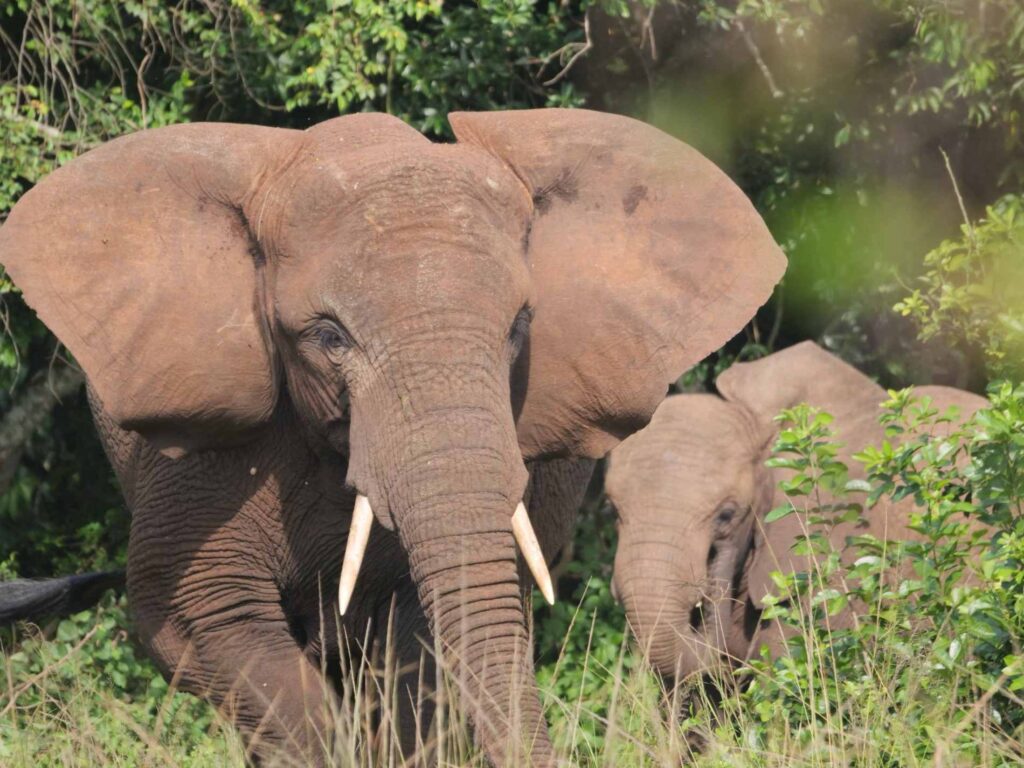
Akagera National Park has individually identified and documented 124 of the 142 elephants living in the park, following the identification of three more elephants during a survey conducted in October 2026.
The newly identified elephants comprise two females and one male. They were documented by the park’s biodiversity conservation and research team.
In a statement released on Thursday, November 26, 2026, Akagera National Park said that of the 124 elephants identified so far, 70 are females and 54 are males.
The identified elephants represent 87% of the park’s total population, up from 85% previously.
The number of individually identified elephants has steadily increased as research continues. In 2025, researchers had identified 106 elephants, while the park’s third-quarter 2026 report put the figure at 121. The October survey added three more, bringing the total to 124.
The progress reflects the park’s continued efforts to build a detailed record of individual elephants to improve population management and strengthen conservation measures.
History of elephants in Akagera National Park
In 1975, 26 elephants were introduced into Akagera National Park to replenish the population after numbers had declined significantly.
Since then, conservation and monitoring efforts have continued, helping the park maintain an important role in protecting elephants and other wildlife in Rwanda.
To identify individual elephants, researchers use photographs and distinctive physical features, including ear shapes, tusks and body size.
The information is stored in a dedicated database that helps conservation teams distinguish individual elephants, identify long-term residents and monitor changes in their lives.
Individual identification also provides a clearer picture of population trends, helps researchers track family structures and supports evidence-based decisions aimed at improving elephant protection.
These efforts form part of Akagera National Park’s broader strategy to strengthen wildlife management and safeguard its valuable animal populations.