



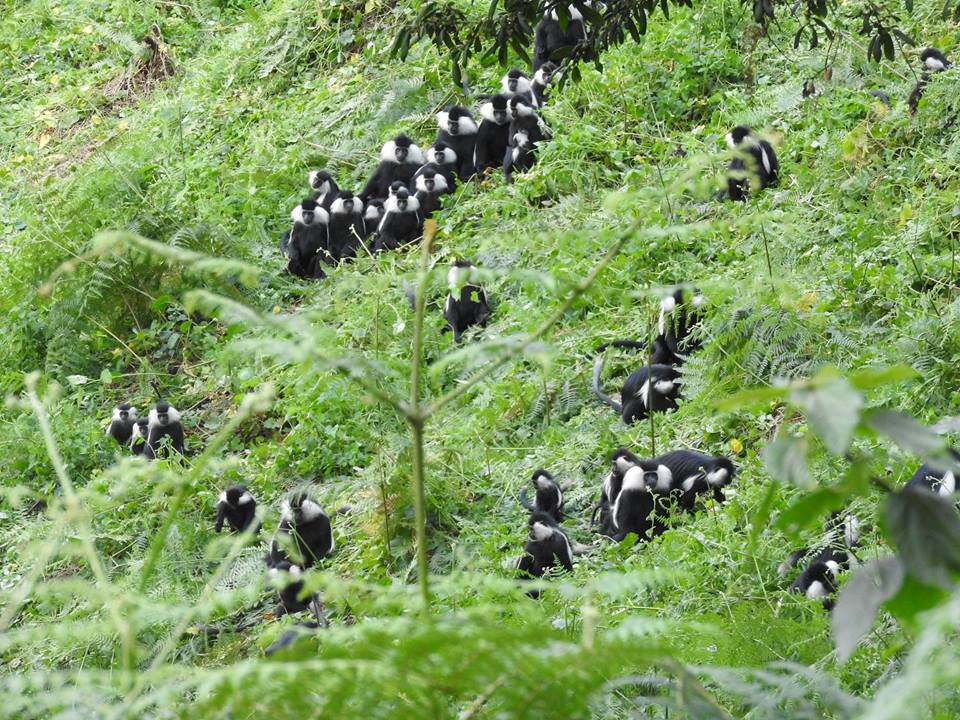
In 2025, Nyungwe National Park recorded 617 cases of wildlife being killed after being struck by vehicles, underscoring ongoing challenges in balancing conservation with human activity along the park’s road corridor.
The figures were presented during a multi-stakeholder meeting held on June 10, 2026, bringing together park authorities, local leaders, security agencies, judicial officials, and conservation partners to assess threats facing the protected ecosystem.
Officials said wildlife roadkill remains a persistent concern, with 620 similar incidents recorded in 2024, showing only a marginal decline year-on-year.
Road safety and conservation concerns
Authorities attributed the incidents largely to speeding vehicles and limited compliance with traffic regulations within the park area, which serves as a key transit route for road users.
Residents and road users were urged to exercise caution when crossing the park, respect speed limits, and avoid activities that threaten biodiversity, including improper waste disposal along the road.
Illegal activities still threatening the park
Protais Niyigaba, Director General of Nyungwe Management Company, said poaching, bushmeat hunting, and bushfires continue to pose serious threats to the park’s ecosystem.
He emphasized the need for stronger community engagement and stricter enforcement to protect wildlife.
“People using the road must understand they are crossing a protected area. They should respect speed limits, maintain cleanliness, and avoid any actions that harm wildlife,” he said.
Thousands of snares removed in five years
Officials also revealed that more than 43,000 snares have been removed from Nyungwe National Park over the past five years. During the same period, 463 individuals have been handed over to investigative authorities in connection with environmental crimes, including poaching.
Conservation stakeholders say sustained collaboration between communities, enforcement agencies, and park management is essential to reducing wildlife losses and safeguarding one of Rwanda’s most important biodiversity reserves.




