Researchers have developed an artificial intelligence (AI) tool that could improve fertility treatment for men by helping doctors find sperm cells that are often too difficult to detect using conventional methods.
Male infertility affects nearly 7 per cent of men worldwide, with sperm-related problems contributing to difficulties in conceiving. Studies indicate that male factors are involved in about half of all infertility cases among couples.
The World Health Organization (WHO) estimates that one in six people worldwide, equivalent to about 17.5 per cent of the global population, experiences infertility at some point in their lifetime.
Against this backdrop, researchers have developed SpermSearch, an AI-powered tool designed to help fertility specialists locate sperm cells in semen samples and testicular tissue from men with severe fertility problems.
The technology was developed by Dr Stephen Vasilescu and researchers at the University of Technology Sydney in Australia, through NeoGenix Biosciences.
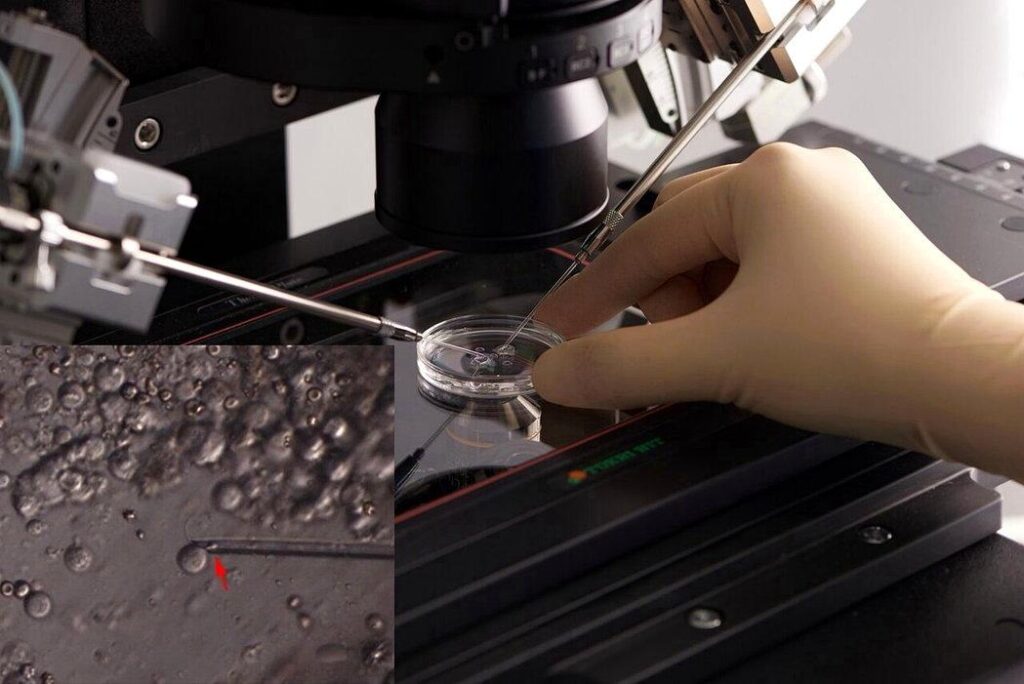
SpermSearch analyses images captured through microscopes, using AI to identify potential sperm cells and guide specialists in locating and selecting them for fertility treatment.
The tool is particularly relevant for men with azoospermia, a condition in which no sperm is found in semen, although some may still be present in the testicles.
Finding these cells can be extremely challenging. Conventional laboratory methods require specialists to examine samples under a microscope, sometimes for several hours, because sperm cells may be extremely scarce and difficult to distinguish from other cells.
SpermSearch is designed to make the process faster and improve the chances of finding sperm that might otherwise go undetected.
A 2024 study published in Reproductive BioMedicine Online found that the software detected sperm in microscope images with an accuracy of 91.95 per cent, compared with 86.52 per cent achieved by specialists using conventional techniques.
Further research involving two clinics in 2024 and 2025, published in 2026, found that the technology reduced the time needed to locate sperm by 39 per cent. In some cases, it also identified sperm cells that had been missed through conventional examination.
Clinical testing showed that the average time spent searching for sperm in samples fell from 168.7 seconds to 98.9 seconds with the help of the technology.
Once retrieved, the sperm can be used in intracytoplasmic sperm injection (ICSI), a fertility procedure in which a single sperm cell is injected directly into an egg in a laboratory to help achieve pregnancy.