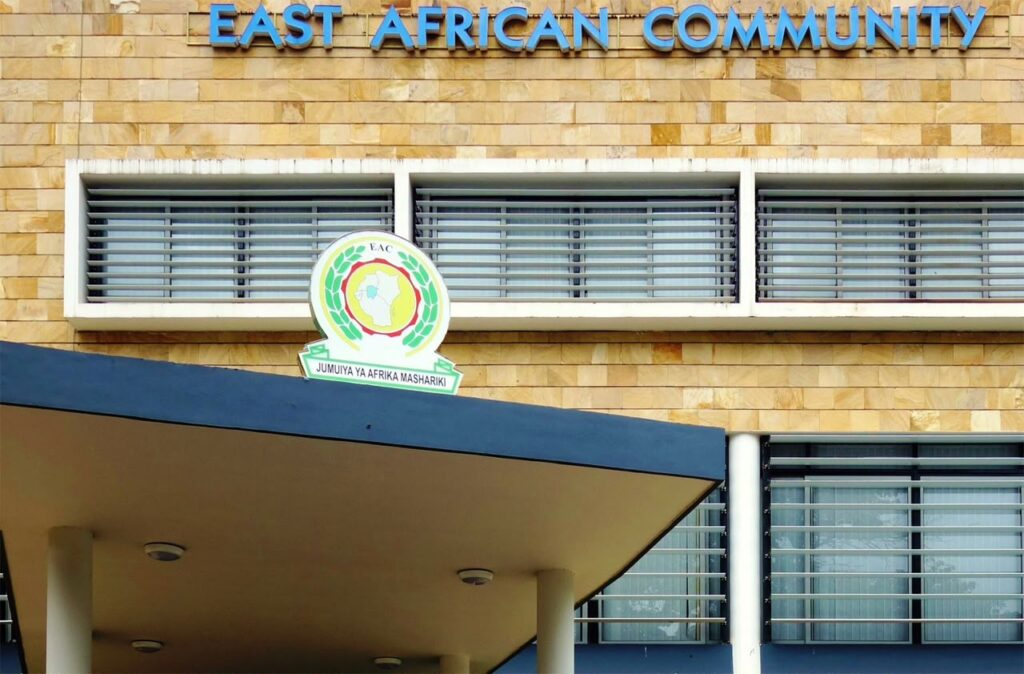
The East African Community (EAC) is working to harmonise food safety regulations across its member states in a move aimed at reducing trade barriers and making it easier for safe food products to move across the region.
The initiative focuses on establishing more consistent requirements for the inspection, certification and control of food and beverages, so that products that meet agreed standards in one EAC country can move more easily into another without facing unnecessary regulatory duplication.
The move is in line with the EAC’s broader regional trade framework, which calls for the harmonisation of sanitary and phytosanitary measures to facilitate trade in food and agricultural products while protecting consumers.
The discussions gained momentum after the Rwanda Food and Drugs Authority (Rwanda FDA) highlighted the need for stronger alignment of food and beverage regulations among EAC Partner States.
Rwanda FDA already provides for recognition of valid product certification issued by national quality institutions in other EAC countries, in accordance with regional standardisation and quality-assurance rules.
For traders and manufacturers, greater regulatory alignment could reduce delays and compliance costs arising from different requirements in individual countries. It could also make it easier for businesses to access the wider EAC market.
The impact could be particularly significant for food processors and exporters, who must meet safety, quality, labelling and certification requirements before their products can enter regional markets.
For consumers, harmonised rules would aim to ensure that food and beverages circulating within the region are subject to consistent safety controls, while strengthening efforts to prevent substandard products from reaching the market.
The initiative also builds on the EAC’s existing framework for cross-border trade in pre-packaged foods and other regulated products, which seeks to make regional trade more predictable while maintaining consumer protection.
Rwanda’s experience shows the importance of such coordination. During the 2024/2025 financial year, Rwanda FDA inspected more than 10,700 consignments and processed hundreds of export and import licence applications for food and other regulated products.
If successfully implemented, harmonised food safety regulations could help reduce non-tariff barriers, expand market access for regional producers and strengthen consumer protection across the EAC.
The initiative therefore represents an effort to balance two priorities: making cross-border food trade easier while ensuring that products entering regional markets meet robust and consistent safety standards.