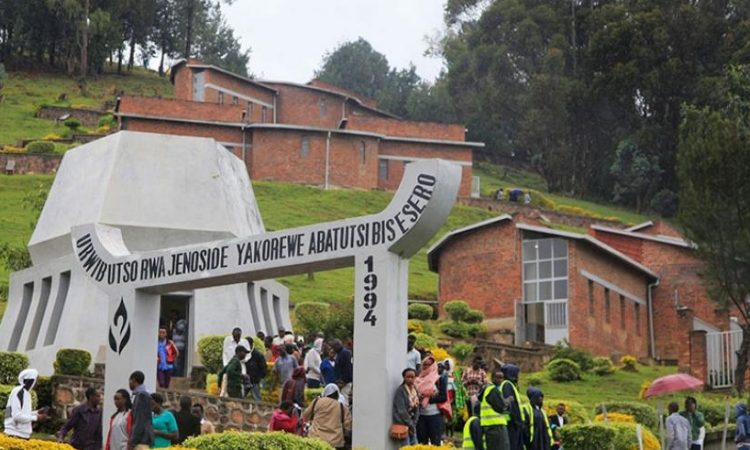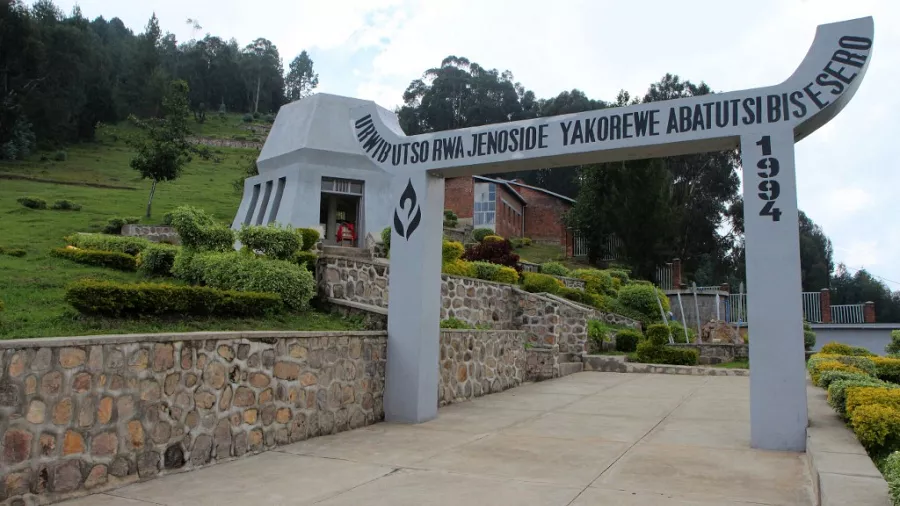
May 13, 1994 remains one of the darkest days in the history of the Genocide against the Tutsi, marking the beginning of large-scale massacres targeting thousands of Tutsis who had sought refuge on the hills of Bisesero in the former Kibuye Prefecture.
By that date, the genocide had entered its 36th day, with killings intensifying across different parts of Rwanda as the genocidal government continued implementing its plan to exterminate Tutsis.
Early that morning, heavily armed attackers launched coordinated assaults on Tutsis sheltering on the hills of Muyira and Gitwe in Bisesero. Witness accounts and historical records indicate that the attacks started around 9 a.m. and continued until evening.
The assailants arrived in large numbers using ONATRACOM buses, COLAS trucks that had been used for road construction along the Kibuye-Gitarama highway, looted pickup trucks and other vehicles transporting soldiers, local leaders and Interahamwe militia members.
Among the attackers were members of the Presidential Guard, government soldiers and militias mobilized from different communes of Kibuye.
For weeks, Tutsis in Bisesero had resisted repeated attacks using stones and traditional weapons despite being outnumbered and poorly equipped. However, on May 13, they faced one of the deadliest offensives yet, as the attackers used guns, grenades and other military weapons.
Survivor testimonies indicate that the attackers shouted genocidal slogans while firing at fleeing civilians, throwing grenades into crowds and hacking victims with machetes and clubs. The hills were soon covered with bodies of men, women, children and elderly people.
Historical accounts estimate that more than 30,000 Tutsis were killed in Bisesero on that single day, dealing a devastating blow to the resistance mounted by survivors who had tried to defend themselves for weeks.
The killings reportedly ended around 5:30 p.m., after which the attackers gathered at a place known as “Ku Cyapa,” between the former communes of Gishyita and Gisovu, where they planned further attacks for the following days.
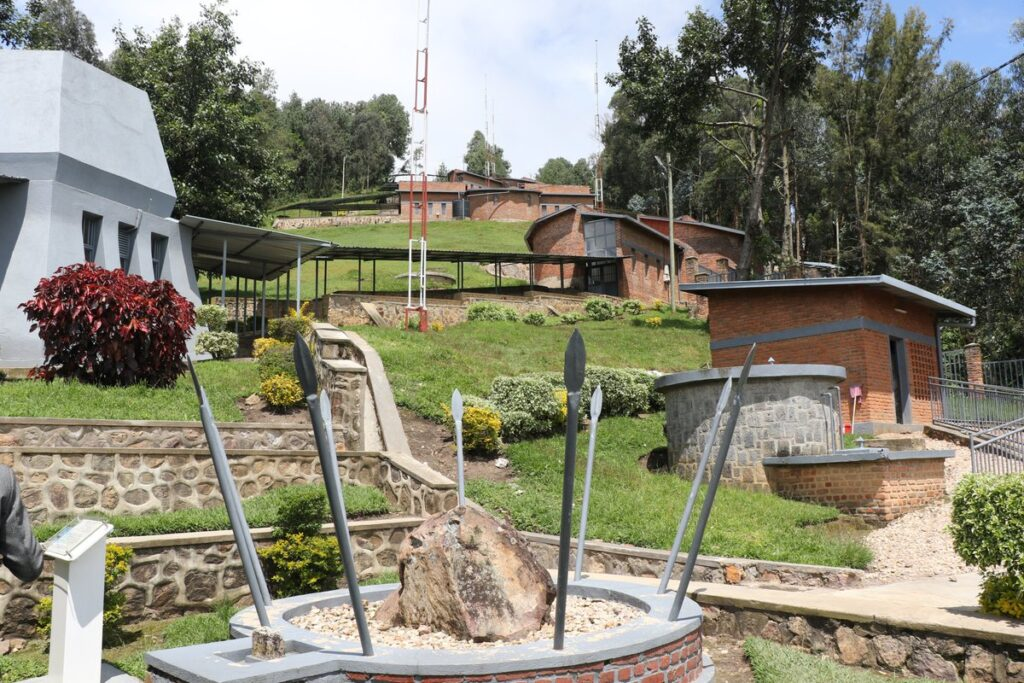
Bisesero has since become a powerful symbol of resistance during the Genocide against the Tutsi, remembered for the courage of thousands who attempted to defend themselves against heavily armed militias and government forces during one of Rwanda’s darkest chapters.