The Rwanda Stock Exchange (RSE) is seeking to expand investment opportunities through partnerships with financial institutions from Arab countries operating under Islamic finance principles, a global sector valued at more than $6 trillion.
Islamic finance is based on a risk-sharing model in which both profit and loss are shared between the investor and the client, unlike conventional banking systems where the burden of loss is often borne by the client alone.
Rwanda’s Mufti, Sheikh Mussa Sindayigaya, explained that this system promotes fairness in financial transactions by ensuring that both parties share outcomes.
“For example, if we invest in agriculture and weather conditions are unfavorable, resulting in losses, the bank does not transfer the entire burden of that loss to the farmer alone,” he said.
He added that although Islamic finance is grounded in Islamic principles, it is not exclusive to Muslims and can be accessed by anyone who agrees to its regulatory framework.
The Chief Executive Officer of the Rwanda Stock Exchange, Pierre Célestin Rwabukumba, said Rwanda is preparing to engage major Islamic finance institutions, particularly from Arab countries, to attract more capital into the economy.
He noted that this will require the development of appropriate legal and regulatory frameworks to support Islamic finance instruments.
“There are investors in the region who are looking for such opportunities. We are now working on putting in place the necessary framework to attract more capital from Arab countries,” he said.
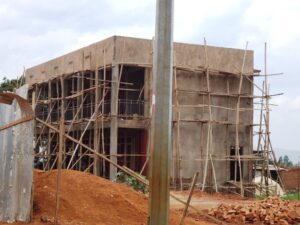
Rwabukumba added that the partnership is expected to strengthen domestic investment, particularly in infrastructure and other development projects.
He pointed to Uganda as an example in the region, where Islamic finance instruments have reportedly raised about €400 million to support infrastructure development.
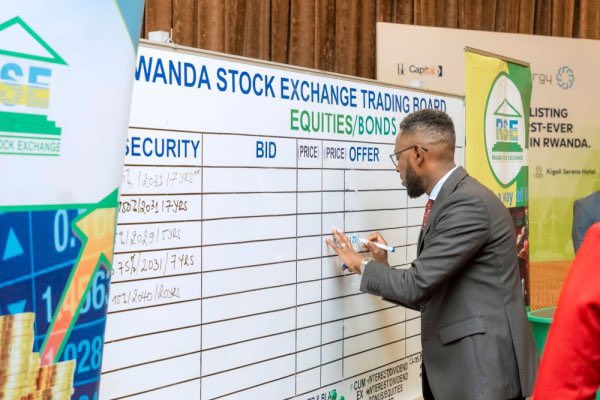
Since its establishment 15 years ago, the Rwanda Stock Exchange has mobilized nearly RWF 3 trillion invested in various sectors, including business expansion and infrastructure development.
Currently, the exchange accounts for about 30 percent of Rwanda’s Gross Domestic Product (GDP) and works with more than 270 investors and 10 listed companies.
The National Bank of Rwanda continues to encourage institutions and investors to deepen participation in the capital market in order to attract more foreign investment.
Analysts say Rwanda’s entry into Islamic finance could unlock new funding sources, particularly from the Arab region, which holds trillions of dollars in investable capital.
They also note that the continued growth of Rwanda’s capital market has strengthened the country’s image as a stable and attractive investment destination with a long-term economic outlook.