Consumer prices in Rwanda rose by 12.9% in May 2026 compared to the same month in 2025, according to new data released by the National Institute of Statistics of Rwanda (NISR) on Wednesday, June 10, 2026. The figure represents a slight decline from 13% recorded in April 2026.
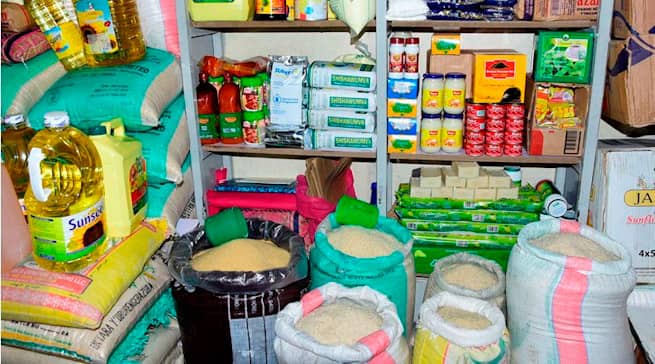
The statistics show that inflation continues to be driven largely by rising costs of essential goods and services, particularly food, housing, transport, and health-related expenses.
In urban areas, prices increased by 12.9% year-on-year, mainly due to higher costs of food and non-alcoholic beverages, which rose by 6.2%. Alcoholic beverages and tobacco increased by 16.1%, while housing, water, electricity, gas and other fuels rose by 19.4%.
Health-related costs recorded the steepest annual increase at 71.6%, followed by energy-related items at 44.4% and transport at 24.5%. Prices in restaurants and hotels also rose by 16.6%.
On a monthly basis, urban inflation increased by 0.5% between April and May 2026, driven by food and non-alcoholic beverages (0.9%) and transport (1.1%).
In rural areas, inflation stood at 11.8% in May 2026, up from 10.6% in April. The rise was mainly attributed to food and non-alcoholic beverages, which increased by 8.1%, as well as housing and utilities, which rose by 23.8%. Transport costs recorded a sharp increase of 39.5%, while food and accommodation rose by 13.3%.
Rural prices increased by 0.7% on a monthly basis, again driven by food and beverage costs, which rose by 1%.
At the national level, overall inflation stood at 12.3% in May 2026, slightly easing from 11.5% in April. Key contributors included food and non-alcoholic beverages (7.6%), alcoholic beverages and tobacco (14.2%), housing and utilities (21.8%), transport (28%), and restaurants and hotels (15.1%).
On a month-to-month basis, national prices rose by 0.6%, mainly due to increases in food and non-alcoholic beverages.
NISR noted that food, transport, and housing-related costs remain the main drivers of inflationary pressure, continuing to affect household spending across the country.