Rwanda is seeking to make greater use of geospatial technology to improve electricity planning, identify areas with energy needs and determine the most cost-effective ways of connecting communities as it works towards universal electricity access.
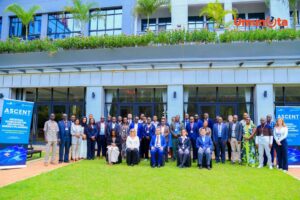
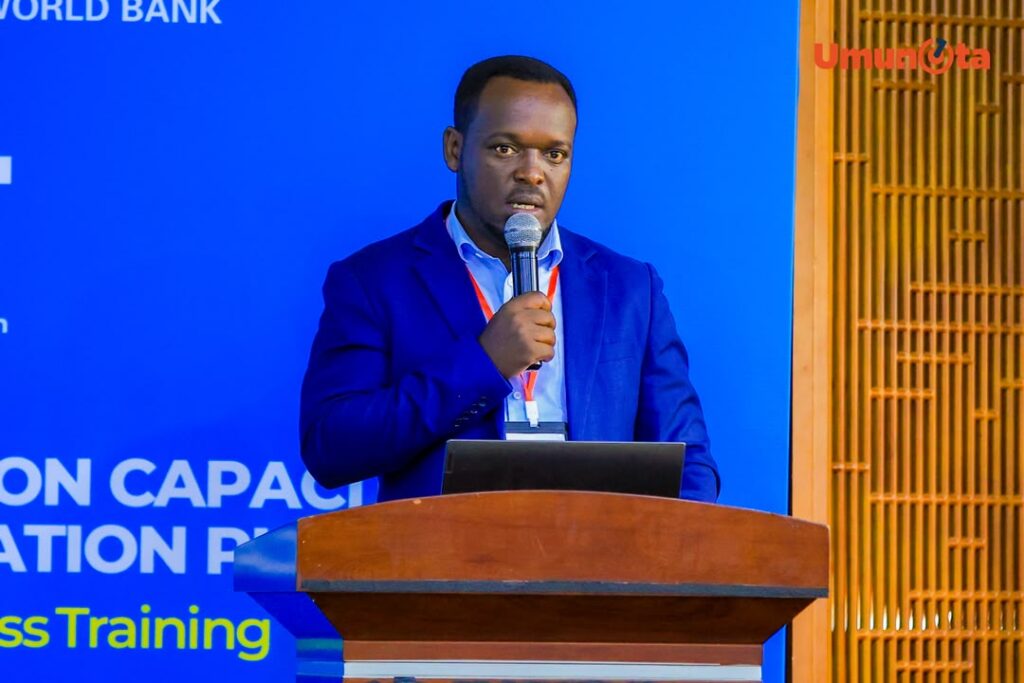
The commitment was highlighted during a two-day regional workshop on integrated electrification planning, organised in partnership with COMESA, the World Bank, Climate Compatible Growth (CCG) and the Energy Sector Management Assistance Program (ESMAP). The workshop opened in Kigali on Monday, November 2, 2026.
The meeting brought together representatives from 19 countries in Eastern and Southern Africa to strengthen their capacity to use geospatial technology in energy planning.
Rwanda has continued to expand electricity access across households. Figures from Rwanda Energy Group (REG) show that by the end of 2025, 85.4 per cent of households had access to electricity, with 60.1 per cent connected to the national grid and 25.3 per cent relying on solar and other off-grid solutions.
This means that 14.6 per cent of households were still without electricity, highlighting the work remaining to achieve universal access.
Jovin Sekanabanga, an energy development official at the Energy Development Corporation Limited (EDCL), a subsidiary of REG, said Rwanda stands to benefit from the workshop, particularly through improvements to its existing electricity planning processes.
He noted that although the country had made progress in electricity planning, gaps remained in collecting reliable data and aligning different plans to better guide investors and project implementers.
“There is still a need to strengthen capacity to collect data and ensure that the information used in planning is accurate, reliable and of good quality. Another important issue is aligning different plans so that they complement one another and provide useful guidance to investors and project implementers,” he said.
Sekanabanga said the knowledge and planning approaches shared during the workshop could help Rwanda accelerate universal electricity access, increase the contribution of renewable energy and improve the country’s energy mix.
He explained that electricity planning involves more than estimating demand. It also requires a clear understanding of where people live, the infrastructure available and the most appropriate ways to connect communities.
Geospatial technology can help analyse information on population distribution, existing electricity networks and areas requiring additional infrastructure. This can guide decisions on whether to extend the national grid, install solar power systems or develop independent mini-grids.
Dr Ahmed Abdallah, COMESA’s energy economist, said many African countries still face challenges in accessing adequate and reliable data, as well as limited capacity to use technology in electricity planning.
He said geospatial tools could help governments identify affordable ways of connecting communities, particularly those living far from existing power networks.
“The challenge is no longer simply to connect people to electricity and expand power networks, but to find the most appropriate and affordable ways of providing access,” he said.
He cited a remote village as an example, explaining that planners should first assess whether it would be more cost-effective to connect it to the national grid, link it to a neighbouring country’s network, install an independent solar system or use a hybrid solution rather than immediately extending infrastructure that could be expensive.
Representing the World Bank, Dana Resankova said planning is a key pillar of the ASCENT programme, which aims to accelerate electricity access for 100 million people in Eastern and Southern Africa.
She stressed that countries need not only to develop electrification plans but also to maintain the capacity to update them in response to changes in population patterns, settlement locations and technology.
“What we want to achieve is not simply for countries to have planning documents, but to build their capacity to use them, update them and adapt them to changing circumstances,” she said.
She added that through the partnership between COMESA, CCG and ESMAP, countries would receive the tools and knowledge needed to develop, monitor and update their own electrification plans.
The workshop is expected to help participating countries identify gaps in their planning systems, prioritise capacity-building needs and agree on the technical assistance required to address them.